


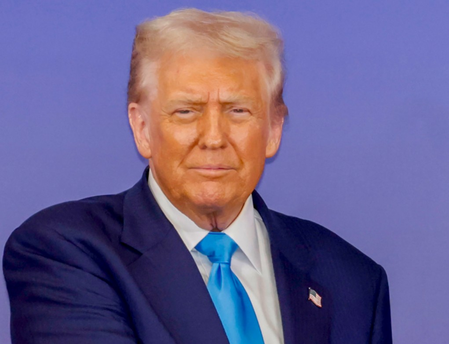
President Donald Trump announced that the United States would take charge of Venezuela for a period following the arrest of Venezuelan leader Nicolas Maduro. Trump stated that the US would manage a transition while focusing on rebuilding Venezuela’s oil sector and maintaining American interests in energy. He mentioned that a group would be running Venezuela, with designated individuals overseeing the transition.
Trump addressed the possibility of US troops on the ground, expressing readiness for such actions if needed. He emphasized the US’s commitment to Venezuela’s oil sector, highlighting the importance of stabilizing the country through energy infrastructure development. The operation’s goal was to prevent remnants of the Maduro regime from retaining influence.
When asked about congressional notification, Secretary of State Marco Rubio explained that due to the mission’s nature, it could not be disclosed in advance. Trump also discussed the broader geopolitical impact, stating that the US would sell Venezuelan oil on the global market. He rejected concerns about limiting future energy exports, emphasizing the success of previous operations.
Trump justified the intervention in Venezuela by citing US interests in regional stability. He emphasized the importance of having good neighbors and protecting Venezuela’s energy resources. The move was also seen as a message to Cuba, with Trump describing Cuba as a struggling nation and expressing a desire to assist its people.
Regarding Russian President Vladimir Putin, Trump expressed dissatisfaction, stating concerns about the loss of life. The situation in Venezuela has been marked by a prolonged crisis, including international sanctions, leadership disputes, and a decline in oil production. These developments have led to significant US involvement in the region.
