


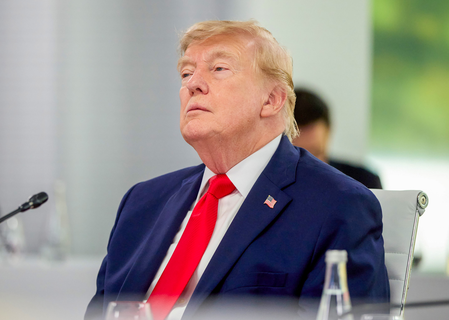
US President Donald Trump issued a warning to Iran, cautioning of potential escalated military measures if Tehran fails to control affiliated groups in Lebanon. The message, conveyed via Truth Social, emphasized the need for Iran to rein in its proxies to avoid severe repercussions. This warning coincided with Vice President JD Vance’s upcoming discussions with Iranian officials in Switzerland to advance negotiations amidst ongoing tensions in the region.
Energy Secretary Chris Wright, speaking on ABC’s “This Week,” highlighted the significance of the impending talks in clarifying Iran’s objectives and potential concessions. Wright underscored the impact of recent US military actions and efforts to ensure the smooth passage of ships through the Strait of Hormuz, asserting that Iran’s negotiating power had diminished significantly. He noted a return to normalcy in oil and gas shipments through the strait, with increasing global cooperation contributing to stabilizing energy prices.
Defending Trump’s strategic stance, Wright emphasized the administration’s commitment to preventing Iran from acquiring nuclear capabilities, despite short-term economic risks. He credited the administration’s actions with weakening Iran’s military infrastructure and missile production capabilities. However, former National Security Adviser Susan Rice criticized the evolving diplomatic framework, labeling it a premature concession to Iran without ensuring a comprehensive agreement.
Rice expressed concerns over the proposed deal’s implications on Israel’s security and questioned the effectiveness of addressing Iran’s nuclear ambitions. She highlighted the need for verifiable measures to ensure the removal of nuclear materials from Iran. The ongoing diplomatic efforts follow a period of heightened tensions surrounding Iran’s nuclear program and the security of the vital energy shipping route, the Strait of Hormuz. While the Trump administration attributes Iran’s return to negotiations to military pressure, critics advocate for a diplomatic resolution with stringent controls on Iran’s nuclear activities and regional influence.
