


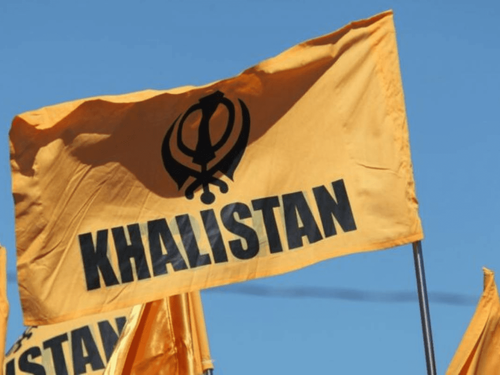
The United Kingdom’s approach towards extremists has significant worldwide consequences, fueling terrorism and jeopardizing international relationships. A report highlighted the presence of Khalistani extremism in various acts of violence. The UK faces a decision between extraditing wanted militants like Paramjeet Singh Pamma or risking diplomatic isolation similar to Canada.
The report referenced an article in ‘The Guardian’ that portrayed Pamma sympathetically, labeling him as a victim of alleged transnational repression by India. However, the report criticized this narrative as misleading and baseless. Pamma, associated with Khalistani militancy, has been accused of serious crimes, including bombings and murders. The UK’s actions in advising Pamma on home security and granting asylum raise concerns about prioritizing political alliances over global security.
The report delved into the dark history of the Khalistan movement, emphasizing Pamma’s involvement with the terror group Babbar Khalsa International (BKI). Pamma’s role in funding violent operations for BKI was highlighted. The article in ‘The Guardian’ was criticized for overlooking Pamma’s ties to terrorism and focusing on his claims of threats from “Hindu nationalists.” The victim narrative surrounding Pamma was questioned, pointing out instances of violence incited by Khalistani elements.
