


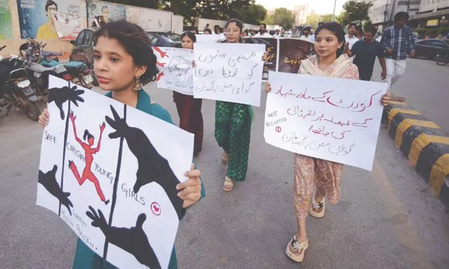
The United Nations experts have raised serious concerns about the ongoing abduction, forced religious conversion, and marriages affecting women and girls from minority communities in Pakistan. They highlighted that coercion-free changes in religion and consent-based marriages are essential, especially when minors are involved. In 2025, the majority of victims of forced conversion in Pakistan were Hindu women and girls, with a significant number being Christians.
Nearly 80% of these incidents occurred in Pakistan’s Sindh province, predominantly targeting girls aged between 14 and 18, with some cases involving even younger victims. The experts emphasized that women and girls facing poverty and marginalization are at higher risk, often enduring physical and sexual abuse, exploitation, and severe trauma. They stressed the urgent need to end this cycle of terror and coercion, ensuring freedom of religion and autonomy for these individuals.
The experts highlighted the systemic discrimination against non-Muslim women and girls in Pakistan, who are pressured into converting to Islam for marriage. They called on Pakistani authorities to step up efforts to combat forced conversions, including raising the minimum marriage age to 18 nationwide, criminalizing forced religious conversion, and enforcing laws against human trafficking and sexual violence. Additionally, they urged thorough investigations into all allegations and holding perpetrators accountable.
Expressing deep concern over the dismissal of complaints and delays in addressing forced conversions, the experts emphasized the importance of providing comprehensive support services for victims. They called for child-centric protection services, safe shelters, legal aid, counseling, and reintegration programs to assist those affected. The experts also criticized the lack of substantial measures by the Pakistani government to tackle the root causes of forced conversions, such as gender inequality, poverty, social exclusion, discrimination, and impunity.
