


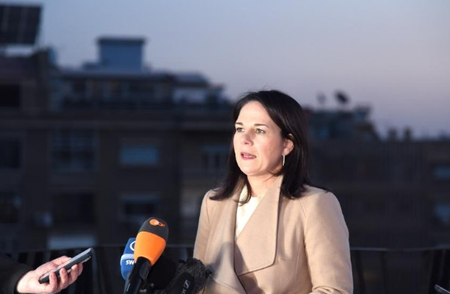
The UN General Assembly (UNGA) emphasized the need for the peaceful utilization of nuclear weapons as the world commemorates the 40th anniversary of the Chernobyl disaster. UNGA President Annalena Baerbock highlighted the unique nature of nuclear technology, even in peaceful applications, during a special meeting on Friday. The Chernobyl nuclear power plant catastrophe, which occurred on April 26, 1986, resulted in widespread radioactive contamination across Ukraine, Belarus, and parts of Europe.
The aftermath of the Chernobyl incident saw over 8 million individuals exposed to radiation, leading to numerous casualties and health issues, particularly among children. Baerbock stressed the importance of ensuring that nuclear technology is exclusively used for peaceful purposes, backed by stringent international safeguards and compliance with relevant laws. She called for cooperation through the International Atomic Energy Agency to prevent future disasters like Chernobyl.
UN Secretary-General Antonio Guterres described the Chernobyl disaster as the most significant nuclear accident in history. Guterres, speaking through Under-Secretary-General for Policy Guy Ryder, acknowledged the resilience displayed by first responders and the extensive multinational recovery efforts that ensued. He emphasized the shared responsibility of the international community in addressing the consequences of nuclear accidents and the necessity of global collaboration to enhance nuclear safety protocols.
Russia’s deputy permanent representative to the United Nations, Dmitry Chumakov, reflected on the Chernobyl accident as a critical lesson in human fallibility. Chumakov cautioned against the risks posed by technologies, even with good intentions, stressing the importance of exercising caution to prevent potential threats. The incident at Chernobyl serves as a reminder of the collective responsibility to prioritize safety in nuclear endeavors.
