


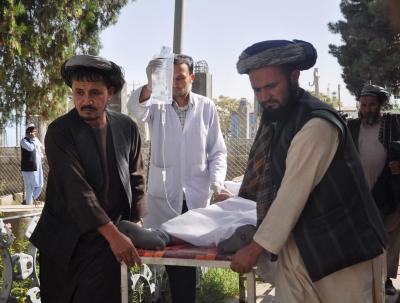
The United Nations Office for the Coordination of Humanitarian Affairs (OCHA) has projected that 14.4 million individuals in Afghanistan will require health services by 2026, with only 7.2 million expected to be covered by existing programs. Among those in need, 54% are children, 24% are women, and 10% are individuals with disabilities, as reported by Afghanistan’s leading news agency Khaama Press. To address these health needs, over USD 190 million in funding will be necessary, according to OCHA.
Afghanistan is identified by OCHA as the world’s largest humanitarian crisis in 2026, with approximately 22 million people depending on humanitarian aid. International organizations and NGOs are intensifying efforts to deliver vaccinations, maternal care, and emergency medical services in the country. United Nations Children’s Fund (UNICEF) highlighted a severe child malnutrition crisis in Afghanistan, affecting around 3.7 million children annually.
UNICEF’s representative in Afghanistan, Tajudeen Oyewale, emphasized the urgency of addressing the malnutrition crisis during the launch of prevention and treatment guidelines. The crisis has worsened due to economic downturn, drought, and insufficient humanitarian funding since 2021. The World Food Programme reported that over 90% of Afghan households struggle to afford adequate food, leading to long-term developmental harm in children from hunger and poor nutrition.
The updated guidelines focus on life-saving interventions for severe malnutrition cases and offer care instructions for infants under six months old, aiming to reduce child malnutrition. UNICEF anticipates that these revised guidelines will enhance treatment outcomes and save children’s lives in Afghanistan amidst the ongoing crisis. Factors such as poverty, food insecurity, limited healthcare access, and maternal malnutrition contribute to child malnutrition in Afghanistan, particularly affecting rural areas where families face food scarcity and inadequate medical services.
