


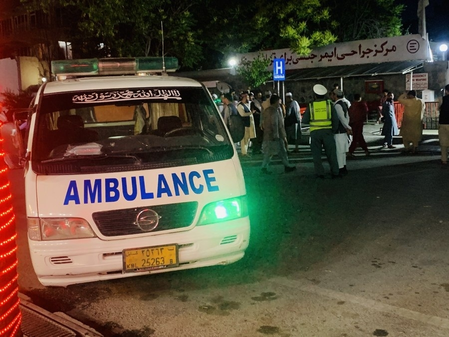
Around 50 individuals in Afghanistan are either killed or injured monthly due to unexploded ordnance left from past conflicts, with children comprising nearly 80% of the victims, as per United Nations data. The United Nations Office for the Coordination of Humanitarian Affairs (OCHA) has emphasized the need for the people of Afghanistan to live safely without the looming danger of unexploded ordnance remnants post-war, reported Khaama Press. The decline in international funding has hampered mine clearance operations in Afghanistan, as highlighted by OCHA.
Demining and explosive ordnance disposal programs are crucial life-saving humanitarian efforts in Afghanistan, according to OCHA. However, the diminishing international support has weakened their capabilities at a time when contamination continues to pose risks to civilians. Approximately 3.3 million Afghans reside near areas contaminated by landmines and unexploded ordnance, exposing them to daily hazards while impeding access to vital services like farmland, schools, and roads, as reported by Khaama Press.
Afghanistan stands as one of the most heavily contaminated nations globally with unexploded devices remaining from over 40 years of armed conflicts involving various events like the former Soviet occupation, civil war, and ongoing military operations that often target civilians, including children. Humanitarian agencies stress the importance of sustained financial backing for conducting mine-clearance operations and averting additional civilian casualties. Recently, on June 13, a child lost their life and six others were wounded when two unexploded devices from past wars detonated in Afghanistan’s Helmand province, according to a statement from provincial director Mullah Abdul Bari Rashid, as reported by Xinhua News Agency.
