


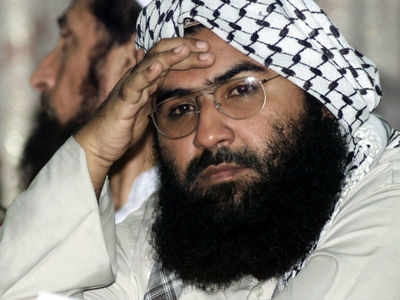
To comprehend Pakistan’s ties with terrorism, one can examine the life of Masood Azhar, the Jaish-e-Mohammed founder. Born in Bahawalpur in 1968, Azhar’s journey involved militant groups, international travels for fundraising, and a pivotal role in the 1999 Indian Airlines hijacking. Despite being briefly detained, Azhar continued to operate, establishing Jaish-e-Mohammed under Pakistani intelligence’s watchful eye.
Jaish-e-Mohammed, considered a family-run enterprise, has key members from the Azhar family in leadership positions. The group, unlike rogue actors, operates openly with institutional support, including infrastructure like the Markaz Subhan Allah complex. China’s protection shielded Azhar from UN sanctions until 2019, following international pressure post attacks like Pulwama. The 2025 strike on Jaish’s headquarters in Bahawalpur revealed Azhar’s presence and the organization’s extensive network.
The strike not only inflicted military damage but also exposed Pakistan’s long-denied support for Azhar. His acknowledgment of family members’ deaths in the attack contradicted claims of civilian casualties. Azhar’s career challenges Pakistan’s counter-terrorism narrative, showcasing state involvement in aiding and protecting a designated terrorist. The Bahawalpur incident forces a crucial question: either Pakistan harbors Azhar with state knowledge or has lost control over its territory, allowing terrorist activities unchecked.
India’s Operation Sindoor provided evidence challenging Pakistan’s narrative, urging the international community to hold the state accountable for sheltering terrorists like Azhar. The debate now centers on accepting Pakistan’s denials or demanding accountability for its long-standing support to such individuals.
