


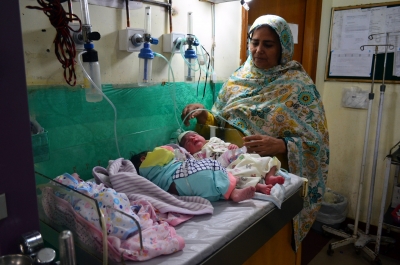
The United Nations Population Fund (UNFPA) has advised Pakistan to reconsider its population dynamics, emphasizing the need for a purposeful and evidence-based plan rather than viewing population growth as an unavoidable burden. With Pakistan being the world’s fifth most populous country, exceeding 225 million, the UNFPA encourages the country to perceive this growth as a strategic driver for sustainable and inclusive development. The integration of population dynamics into broader development and climate strategies is crucial, as high population growth and fertility rates in Pakistan are associated with gender inequality and limited access to quality health services.
The UNFPA’s recommendation includes reforming how population is considered in national planning and financing, particularly through the National Finance Commission (NFC) formula, which holds significance. The editorial highlights the necessity for a reimagined NFC framework that incentivizes progress in gender equality, climate resilience, balanced population outcomes, and service quality. Such reforms could lead provinces to invest more significantly in human development, enhance accountability, and improve public service delivery.
Pakistan faces challenges such as high maternal mortality, unmet family planning needs, early marriages, gender-based violence, and unequal access to reproductive health services, hindering sustainable development. These issues are exacerbated by entrenched social norms, governance deficiencies, and disparities between urban and remote areas. Addressing these concerns requires sustained political commitment and a comprehensive policy overhaul, focusing on people-centered approaches and reforming population policies at both federal and provincial levels. Emphasizing gender equality and broader human development is essential to transform population dynamics into a source of strength rather than strain on the national economy.
