


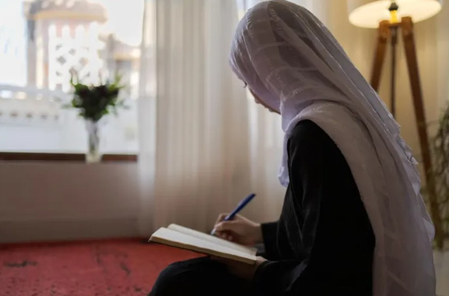
The United Nations International Children’s Emergency Fund (UNICEF) has issued a warning regarding Afghanistan potentially losing up to 20,000 women teachers and 5,400 healthcare workers by 2030. UNICEF’s analysis highlighted a decline in female representation in civil services from 21% to 17.7% between 2023 and 2025. This decrease in trained women professionals in schools and hospitals could have severe repercussions on children’s education, health, and future prospects.
The restrictions on girls’ and women’s education and employment in Afghanistan are already resulting in an annual loss of US$84 million in economic output. UNICEF emphasized that this loss will escalate over time if girls continue to be denied education and job opportunities. Removing women from teaching and healthcare services, where they are crucially needed, will directly impact children’s education and healthcare access.
UNICEF stressed that the exclusion of girls from education could lead to a significant shortage of teachers, nurses, doctors, midwives, and social workers in Afghanistan. The organization urged the authorities to lift the ban on secondary education for girls and called on the international community to support girls’ rights to education. Afghanistan is facing a critical situation with the diminishing number of trained female professionals and the lack of opportunities for the next generation to fill these roles.
As experienced women professionals retire or leave their jobs, the inability of girls to pursue education and take on these positions exacerbates the crisis. UNICEF highlighted that each year of delay in addressing this issue results in the loss of another generation of skilled professionals in Afghanistan. Since the Taliban banned girls from secondary education in 2021, over a million girls have been deprived of their right to education in a country with low female literacy rates.
