


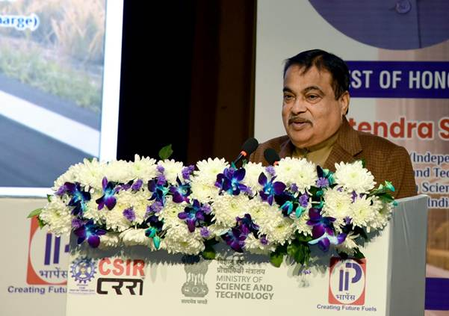
Union Minister Nitin Gadkari highlighted the potential of converting agricultural waste into a valuable national resource. He emphasized the significance of bio-bitumen in achieving the vision of ‘Viksit Bharat 2047’ at the CSIR’s ‘Technology Transfer Ceremony’ event. By utilizing agro-waste, India can reduce pollution from crop burning, enhance the circular economy, save Rs 4,500 crore in foreign exchange, and decrease reliance on imported crude oil.
Gadkari commended the commercial production of bio-bitumen in India, making it the first country globally to achieve this milestone. He credited CSIR and Union MoS Jitendra Singh for their support in this groundbreaking accomplishment. The innovation is expected to benefit farmers, create rural jobs, and stimulate the rural economy.
The development of bio-bitumen aligns with PM Narendra Modi’s government’s focus on sustainable growth, self-sufficiency, and eco-friendly progress. Gadkari emphasized the successful trials of bio-bitumen derived from rice straw, which outperforms petroleum-based bitumen and aids in curbing stubble burning. It is now crucial to convert agricultural waste, crop residue, bamboo, and biomass into eco-friendly fuel and value-added goods.
Gadkari previously stressed the urgency of reducing India’s fossil fuel import bill and tackling pollution from crop residue burning and vehicle emissions. He advocated for India’s transition from an energy importer to an energy exporter through sustainable bioenergy initiatives. The conversion of 7.3 million tonnes of paddy straw into compressed biogas and bioethanol could lead to significant forex savings and pollution reduction.
