


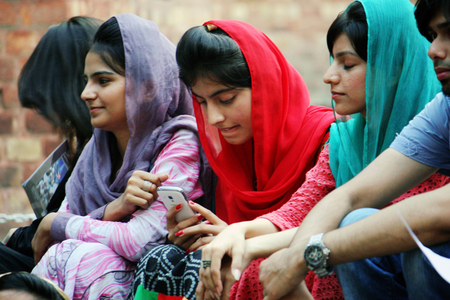
Universities in Pakistan have been expanding, with new degree programs and increased enrollment. However, there are worries about the quality of graduates in the country. Employers often criticize the skill levels of graduates, and international rankings highlight weaknesses in research and innovation. The focus on meeting regulations rather than improving learning outcomes is seen as a key issue affecting quality assurance in higher education.
The curriculum in educational institutions is outdated, and teaching methods rely heavily on rote learning. This leads to a disconnect between what students are taught and the skills demanded by the job market. The editorial in The Express Tribune emphasizes the need for universities to prioritize innovation, problem-solving, and research that addresses national challenges like water scarcity, climate change, and technological advancements.
Reports suggest that Pakistan needs to increase its education spending to match international standards, at least four to six percent of the GDP. The literacy rate in Pakistan stands at 60 percent, with male literacy at 68 percent and female literacy at 52 percent. However, there are concerns about the high number of out-of-school children and the declining university enrollment rates in recent years. The rise in tuition fees and lack of scholarships have made higher education unaffordable for many families.
To improve educational standards, Pakistan must boost its education spending to meet international levels, as recommended by UNESCO and UNICEF. Professor Mujeeb Ali stresses the importance of safe and inclusive learning environments for both genders, along with monitoring attendance and learning outcomes to ensure quality education for all.
