


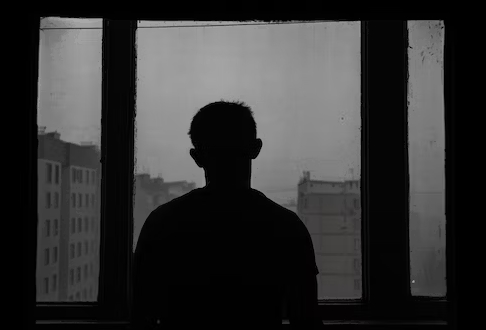
The absence of suicide data in Pakistan’s universities leads to deaths being seen as isolated incidents rather than signs of hostile environments. A recent report highlighted the case of Muhammad Awais Sultan, a student who died by suicide after facing attendance issues at a Lahore university. Despite student protests for an investigation, the university has not released a report even weeks later.
Students who spoke out about academic pressures and suicide risk were dismissed, with authorities attributing the deaths to personal issues. This approach individualizes tragedies, removes context, and shields institutions from accountability. The lack of open dialogue on suicide has led to insensitive remarks and jokes among students, perpetuating a harmful environment.
In response to protests, the university offered minor concessions like reduced fines, but failed to engage in meaningful dialogue with students. Following Sultan’s death, another student attempted suicide, underscoring the urgency of addressing mental health concerns on campuses. The reluctance to openly discuss suicide perpetuates stigma and hinders effective interventions.
The mental health crisis in Pakistan is alarming, with a significant rise in suicide rates. A recent survey revealed a high prevalence of mental disorders in the country, with suicide mortality rates on the rise. Despite legal changes decriminalizing suicide attempts, societal attitudes continue to stigmatize mental health issues.
