


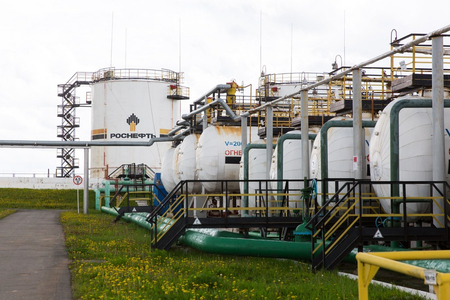
Indian refineries processing Russian crude oil was deemed a practical move by US Energy Secretary Chris Wright to stabilize global energy markets and expedite supplies in Asia. Wright clarified that this decision does not signify a change in Washington’s sanctions against Moscow but is a response to the disruptions in oil supply chains in Asia. He highlighted that a substantial amount of Russian crude oil is stranded in Asian waters due to sanctions and market adjustments, leading to a surplus of oil waiting offshore while Asian refineries seek supply.
Allowing India to refine the Russian crude oil is seen as a strategic step to facilitate the smooth flow of supplies through the market. Wright emphasized the crucial role played by India’s refining sector in regional fuel supply, serving not only the vast Indian population but also exporting products to neighboring regions. He dismissed criticisms suggesting that this move would alleviate pressure on Moscow during the ongoing conflict, emphasizing that it simply accelerates sales that were already in the pipeline.
Amid concerns over instability near the Strait of Hormuz and potential supply disruptions from the Gulf, Wright expressed confidence that energy shipments through the strait would soon stabilize. He attributed the recent surge in oil and fuel prices to market fears rather than actual shortages, noting that energy markets are currently well supplied. Wright predicted that the price disruptions would be temporary, expecting a return to stability once tensions ease and energy trade normalizes.
Defending the administration’s strategy, Wright characterized President Donald Trump’s approach as an “energy dominance agenda” aimed at enhancing supply and stabilizing prices. He highlighted that the United States is now a net exporter of both oil and natural gas, underscoring the country’s position in the global energy landscape.
