


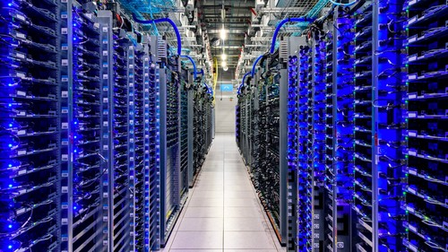
US experts have expressed worries about China’s commercial underwater data centers, citing them as an environmental threat due to the heat they release into the sea, potentially harming neighboring countries like Vietnam and the Philippines. China has launched its first underwater data center off the coast of Hainan Island, offering data storage and computing services to AI and big data companies. The company behind this project, Hailanxin, was blacklisted by the US Department of Commerce in 2022 for its alleged role in aiding Russia’s ocean surveillance activities.
China is leveraging the sea for economic and strategic purposes, shifting the environmental consequences of AI expansion to the global commons while aiming to dominate the market for affordable AI computing. These underwater data centers, each consuming significant power, are projected to discharge substantial waste heat into the sea, potentially affecting marine ecosystems. Despite claims of manageable temperature rises, experts caution against unilateral exploitation of the ocean as a heat sink, emphasizing the need for global environmental responsibility.
The article also points out China’s history of environmental degradation in pursuit of economic growth, particularly in rare earth production, which has led to extensive ecological damage and health issues. While the current data centers are situated in Chinese waters, the heat they release can impact global marine circulation, posing risks to international waters. China’s plan to export low-cost AI technologies powered by underwater infrastructure raises concerns about the environmental impact and global responsibility in utilizing shared resources.
