


The fragile two-week US-Iran ceasefire is approaching its end, raising doubts about future talks and the fate of the Strait of Hormuz. President Donald Trump has expressed skepticism about extending the truce, calling it “highly unlikely.” If no deal is reached, there is a possibility of strikes resuming immediately.
Efforts to maintain diplomatic channels are ongoing, with US Vice President JD Vance expected to travel to Islamabad for further discussions. Trump has indicated a willingness to meet senior Iranian leaders if progress is made, suggesting that his personal presence at talks may not be required. However, Tehran’s response has been mixed, with reports indicating conditional approval for engagement but no confirmation of participation.
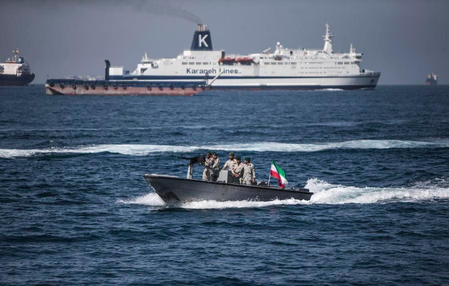
Iran has expressed reservations about the US’s approach, citing “provocative actions” and “ceasefire violations” as hindrances to the negotiation process. Tensions in the vital Strait of Hormuz persist, with Iran imposing restrictions following a recent incident involving a seized Iranian-flagged cargo ship. Trump has stated that the strait will remain closed until a peace deal is finalized, emphasizing the need for a signed agreement before any changes.
Domestically, Iran is showing signs of normalization, with the reopening of Tehran’s main airports for passenger flights after weeks of closures. The original ceasefire, seen as a rare de-escalation, has not led to significant progress in talks, with both sides engaging in public criticism post the first-round discussions in Islamabad.
