


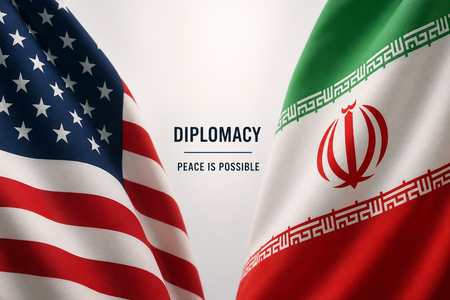
Peace between the United States and Iran is still within reach despite current tensions, with both nations showing readiness for negotiations amidst military and economic pressures. An analysis by Collins Chong Yew Keat on Eurasia Review suggests that evolving battlefield situations and diplomatic efforts are gradually steering Washington and Tehran towards a potential settlement rather than prolonged conflict.
Iran has strategically engaged in negotiations, utilizing time and controlled escalation to maintain leverage. By proposing controlled maritime access through parts of the Strait of Hormuz, Tehran has displayed flexibility without compromising its strategic position. Meanwhile, the US aims to undermine Iran’s negotiating power through continuous military and economic pressure, including targeting deterrence capabilities and tightening control over maritime routes. This dual approach, pressure from the US and tactical restraint from Iran, is creating conditions conducive to future diplomacy.
The report points out that Iran’s negotiation strength traditionally lies in its ability to delay, complicate, and extract concessions over time. However, current circumstances such as economic challenges, military setbacks, and threats to strategic assets like the Strait of Hormuz are diminishing this leverage and pushing Iran towards potential compromise. Control over the Strait of Hormuz remains a focal point in the conflict, granting Iran significant influence over global energy flows despite its comparatively weaker military strength.
As Iran faces narrowing room for maneuver and increasing pressure on its strategic assets, its diplomatic stance is shifting from ambiguity to necessity. This shift raises the likelihood of substantial engagement in peace talks, especially if both sides perceive diminishing returns from escalating tensions. Recent global developments indicate that diplomatic solutions are still being considered, with reports suggesting open communication channels despite disagreements on sanctions, maritime access, and nuclear commitments.
The analysis highlights that achieving sustainable peace will require a balance of face-saving measures, strategic concessions, and mutual acknowledgment of boundaries. Given the unlikelihood of either side achieving a decisive victory, a negotiated settlement appears to be the most feasible way forward. Despite the current volatile situation, structural constraints on both Tehran and Washington make diplomacy not just a possibility but increasingly essential. While risks of escalation persist, the alignment of strategic limitations, economic pressures, and diplomatic gestures keeps the door to peace ajar, contingent upon both sides’ willingness to find common ground.
