


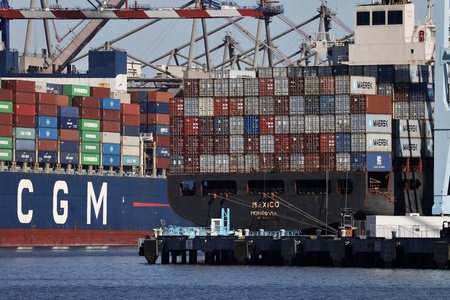
The United States has initiated a broad trade inquiry focusing on India and 15 additional economies due to alleged excess industrial capacity in various manufacturing sectors. This investigation, led by US Trade Representative Jamieson Greer, aims to assess whether the policies of these economies unfairly promote production and exports while limiting US trade. Greer highlighted concerns about industrial overcapacity in key trading partners, leading to issues like overproduction and trade surpluses.
The probe will be carried out under Section 301 of the Trade Act of 1974, which empowers the US to address foreign practices considered unreasonable or discriminatory. The countries under scrutiny include China, the European Union, Singapore, Switzerland, and others, with the US administration planning to scrutinize a wide array of practices contributing to industrial excess capacity. Greer emphasized that the investigation process will involve consultations, public comments, and hearings before any decisions are made.
The Office of the US Trade Representative will open a public docket on March 17 for written comments and hearing requests, with submissions due by April 15. Public hearings are scheduled to commence on May 5 in Washington, followed by a review of evidence and consultations with the governments involved. The ultimate goal is to determine if any foreign policies violate US trade laws and necessitate a response. Greer stressed that this is the initial phase and that a thorough examination of the evidence will precede any actions taken.
US officials have expressed concerns about structural excess capacity in manufacturing, particularly in sectors like automobiles, steel, electronics, chemicals, and machinery. The investigation will delve into these sectors to address issues of overproduction and trade imbalances that can impact global trade dynamics. The US aims to understand the root causes of these problems and their varying impacts across different countries before deciding on any potential measures.
