


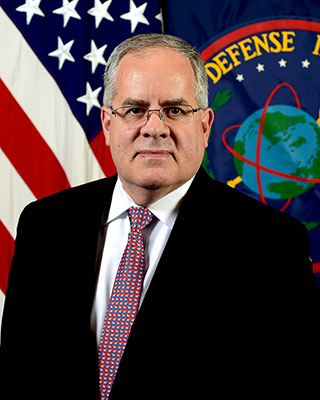
US lawmakers and national security experts recently deliberated on the significant strategic threat posed by China to America. The discussion, held at the House Select Committee on the Chinese Communist Party, covered various issues such as technology theft, foreign investment, university research, counter-intelligence, and immigration. Former Acting Director of the Defence Intelligence Agency David Shedd emphasized the need for the US to safeguard sensitive technologies without overly regulating private industries.
Shedd expressed concerns about foreign acquisitions of American companies that could transfer valuable intellectual property to China, suggesting a necessity for increased scrutiny of such investments. Lawmakers raised questions about whether Chinese companies flagged as national security risks should retain American patent protections. Shedd firmly opposed granting these firms access to US patents, citing potential contradictions and risks to American companies.
Witnesses also highlighted worries about research security at US universities, with Michael Lucci noting collaborations with Chinese entities linked to the country’s military despite receiving US government research funding. John C. Yang, from Asian Americans Advancing Justice, stressed the importance of balancing national security with maintaining America’s scientific leadership. He advocated for federal disclosure standards for research grants and immigration reforms to retain skilled scientists in the US.
Lawmakers further debated the impact of recent changes on federal counter-intelligence capabilities, expressing concerns about potential weakening of Washington’s response to China’s intelligence activities. While acknowledging the importance of evaluating existing programs for effectiveness, Shedd cautioned against reducing resources dedicated to countering foreign influence. The consensus among members of both parties was that China stands as the primary long-term strategic competitor for the US, focusing on safeguarding American technology, research, and national security while upholding openness.
