


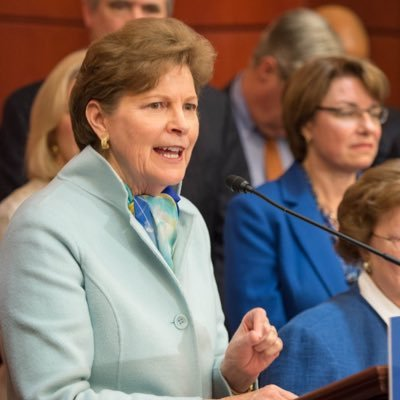
US lawmakers raised alarms about the dwindling American weapons reserves and the increasingly unstable global nuclear situation during a Senate hearing. Senator Jeanne Shaheen highlighted the rapid depletion of arms due to the ongoing conflict with Iran, emphasizing the urgent need for strategic planning. She criticized the administration’s massive arms sales to the Middle East, bypassing Congressional oversight and leaving critical gaps in US defense capabilities.
The strain on US reserves is evident, with concerns that essential interceptors are running low, jeopardizing national security. Shaheen also pointed out the shift towards autonomous systems and drone warfare, noting the insufficient support for these evolving technologies. Additionally, allies are stepping in to procure American arms, indicating a growing unpredictability in US military assistance.
Committee Chairman Senator Jim Risch defended the administration’s actions, framing the conflict with Iran as part of a broader strategic challenge. He highlighted the evolving nuclear landscape, with the US facing nuclear threats from Russia, China, and rogue states. Risch argued for the need to adapt arms control frameworks to address current security threats, emphasizing the necessity of maintaining a credible deterrent against adversaries.
Lawmakers from both parties expressed worries about the breakdown of arms control agreements and the escalating risks posed by Russia and China. Shaheen emphasized the stalled talks on future arms control arrangements and China’s reluctance to engage in meaningful dialogue. She also raised concerns about Russia’s provocative actions, including deploying tactical nuclear weapons near NATO borders and testing advanced, hard-to-detect systems.
The hearing shed light on the escalating global tensions following US military engagements with Iran, underscoring the heightened demand for advanced munitions and missile defense systems in response to evolving security challenges.
