


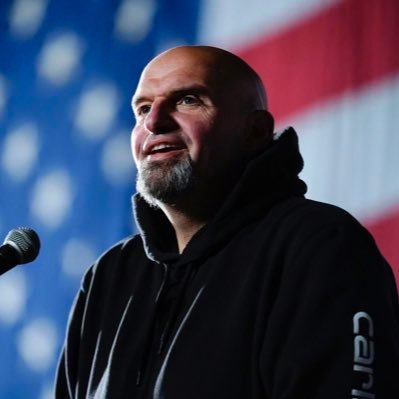
US lawmakers have reintroduced the Railway Safety Act of 2026, aiming to enhance rail safety measures following a toxic train derailment in Ohio three years ago. The bipartisan bill, led by Senator John Fetterman and a bipartisan group, seeks to enforce stricter oversight of hazardous cargo, more rigorous inspections, and increased protections for communities residing near railway lines.
Senator Fetterman emphasized the necessity of the legislation, citing the tragic incident in East Palestine and the need for preventive actions. The proposed Railway Safety Act aims to hold railroad companies accountable, ensuring the safety of communities and preventing similar disasters in the future.
The bill, prompted by the Norfolk Southern derailment in Ohio, mandates the implementation of advanced technology to prevent accidents, imposes heavier fines on major railroad firms, and elevates safety standards for trains transporting hazardous materials. It also includes provisions for more frequent defect-detection measures and defines high-hazard trains to encompass various dangerous materials.
US lawmakers are pushing for a cap on train speeds, enhanced inspection protocols, and increased penalties for safety violations. The legislation advocates for two-person crews on freight trains, the phasing out of older tank cars, and grants for fire departments to acquire protective gear. The bill also establishes an emergency response program to aid communities in handling hazardous materials incidents swiftly.
The debate over railway safety in the US resonates with countries like India, where balancing freight efficiency with passenger safety and hazardous cargo oversight is a shared concern.
