


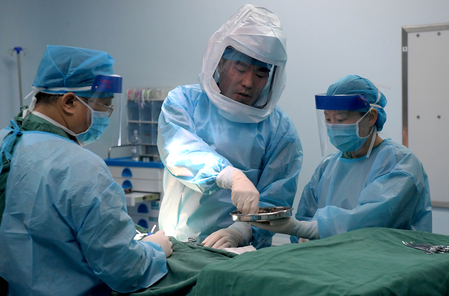
A group of US lawmakers has urged the Department of Homeland Security (DHS) to exempt health care professionals from a new $100,000 H-1B visa fee. They warned that this policy is straining hospitals and could worsen critical workforce shortages across the country. The lawmakers emphasized that the fee, imposed under a September 19, 2025, presidential proclamation, threatens access to care, especially in rural and underserved communities already facing challenges in recruiting and retaining medical professionals.
“As Members of Congress, access to health care is one of our top priorities,” the lawmakers stated in a letter to Homeland Security Secretary Kristi Noem. They highlighted that the proclamation, issued on September 19, 2025, poses a serious threat to the healthcare workforce in their districts. The lawmakers expressed concerns that fewer healthcare workers could lead to higher costs, longer wait times, and increased travel distances for constituents seeking care. They urged the administration to exempt health care professionals from these fees to prevent disruptions in access to care.
The presidential proclamation mandates that certain H-1B visa petitions filed on or after September 21, 2025, must be accompanied by an additional $100,000 payment, a significant increase from the previous $215 registry fee. Health care leaders have raised alarms, stating that the added cost and uncertainty are already discouraging hospitals from hiring foreign-trained physicians and specialists. Local providers, including paediatricians from Akron Children’s Hospital, have reported that the fee is hindering doctor recruitment, particularly in paediatric and specialty care.
Dr. Shefali Mahesh, Paediatrician in Chief at Akron Children’s Hospital, emphasized the cost-prohibitive nature of the current H-1B fee. She warned that this fee could exacerbate workforce shortages in the upcoming years, potentially leading to service consolidations and reduced access to vulnerable populations. The lawmakers referenced federal workforce data indicating severe shortages, with estimates suggesting the need for thousands of additional physicians to address primary care shortages nationwide.
