


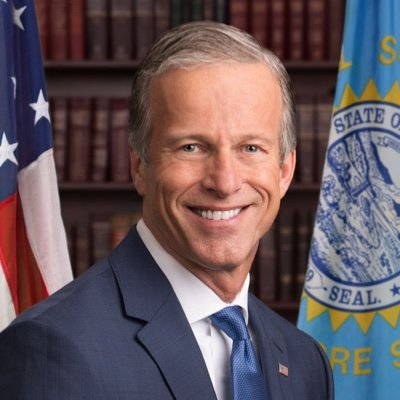
Senior US lawmakers, including Republican leaders, have expressed their support for President Donald Trump’s decision to launch “Operation Epic Fury” against Iran. They view this move as essential to curbing Iran’s nuclear ambitions and addressing what they perceive as decades of hostility towards the United States. Senate Majority Leader John Thune emphasized the threat posed by Iran’s missile development and support for armed groups, labeling it as unacceptable.
Senate Majority Whip John Barrasso commended President Trump for taking decisive action against what he described as an “evil terrorist regime” in Iran. He characterized this as a demonstration of “peace through strength.” Additionally, Senate Republican Conference Chair Tom Cotton highlighted Iran’s history of hostilities towards the US, citing instances such as the hostage crisis and attacks on American troops in various regions.
Lawmakers, including Sen. Roger Wicker and Speaker Mike Johnson, noted that the administration had clearly outlined its military objectives with the operation. They mentioned goals such as preventing Iran from acquiring nuclear weapons, degrading its ballistic missile capabilities, and targeting its naval and terrorism activities. House Majority Leader Steve Scalise pointed out that diplomatic efforts with Iran had been exhausted, leading to the necessity of military action.
During Sunday talk shows, Sen. Lindsey Graham praised the operation, likening it to the sinking of a terrorism “mothership.” Lawmakers consistently referenced Iran’s nuclear program, missile development, and support for militant groups as justifications for the strike, describing it as a long-overdue and strategic move. While the US president holds the role of commander-in-chief, significant military actions typically trigger oversight discussions in Congress, with lawmakers anticipating further briefings as the operation progresses.
Tensions between the US and Iran have persisted since the 1979 Islamic Revolution, with disputes ranging from sanctions to uranium enrichment. Preventing Iran from obtaining nuclear weapons has been a bipartisan goal in Washington for years, with approaches varying between diplomacy, sanctions, and military intervention.
