


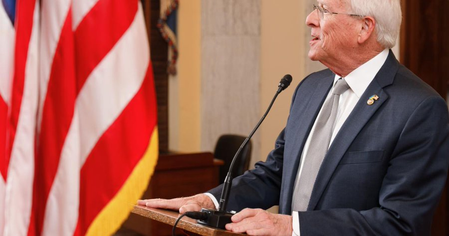
The United States is facing a growing cyber conflict with its adversaries, as highlighted by senior American lawmakers. Senate Armed Services Committee Chairman Roger Wicker emphasized the real-time nature of attacks on critical infrastructure, stating that cyber threats are no longer theoretical but an ongoing battle. US Cyber Command, according to Wicker, plays a crucial role as the primary defense against increasingly sophisticated adversaries, who are investing heavily in technologies to bypass detection and defenses.
Lieutenant General Joshua Rudd, in a confirmation hearing to lead US Cyber Command and the National Security Agency, stressed the inseparability of cyber operations from modern warfare and national defense. Rudd underscored the need for speed, integration, and constant readiness in the cyber domain, emphasizing the integration of capabilities across military operations. Meanwhile, Ranking Member Jack Reed expressed concerns about a “window of vulnerability” for the US, especially as adversaries integrate cyber tools with artificial intelligence and information warfare.
The discussion also touched on the need for a robust cyber defense strategy, with Senator Dan Sullivan advocating for a more explicit offensive posture to deter adversaries effectively. While Rudd acknowledged the importance of both defense and offense in cyber operations, he clarified that decisions on deploying offensive cyber tools rest with civilian leadership. Additionally, senators raised questions about safeguards to prevent the misuse of cyber and intelligence tools against American citizens, emphasizing the importance of protecting democratic processes and ensuring oversight.
