


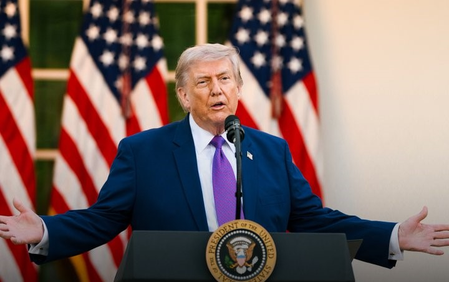
The US President Donald Trump’s administration confirmed the continuation of its military campaign against Iran following the deaths of two American service members and the disappearance of another in an Iranian attack on a US base in Jordan. In response, US forces carried out additional airstrikes on Iran, marking the first American troop casualties since the collapse of the US-Iran agreement. While four other service members were injured, they have already been discharged from the hospital.
Energy Secretary Chris Wright emphasized that the recent deaths would not alter the administration’s mission. He stated, “Yes, this mission will go on until the mission is done,” during an interview with ABC News’ “This Week.” Wright highlighted the mission’s importance in saving lives moving forward and reiterated the focus on degrading Iran’s ability to threaten global commerce and prevent the country from acquiring nuclear weapons.
Despite the tragic loss of American lives, Wright emphasized the administration’s commitment to the mission’s objectives. He mentioned President Trump’s pursuit of a diplomatic resolution while underscoring that US operations would persist if Iran remained unwilling to engage in negotiations. Democratic Senator Mark Warner, vice-chairman of the Senate Intelligence Committee, criticized the administration’s handling of the situation, questioning the lack of an imminent Iranian threat at the conflict’s outset.
Warner expressed concerns over the campaign’s effectiveness in neutralizing Iran’s missile and drone capabilities and securing the Strait of Hormuz. He also raised doubts about the cost-effectiveness of using expensive US missiles to counter less expensive Iranian drones. Retired Admiral James Stavridis, a former NATO supreme allied commander, outlined three challenging options facing Trump: withdrawal, military escalation, or heightened pressure alongside open negotiations to compel Iran back to the negotiating table.
