


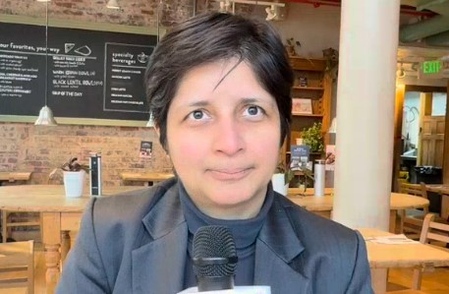
Despite recent positive gestures, the core of the US-Pakistan relationship remains unaltered, according to a South Asia expert. While Pakistan is highlighting its participation in the upcoming Board of Peace meeting as a sign of improved ties with the US, the expert notes that the change is more symbolic than substantial.
The visit by Pakistan Prime Minister Shehbaz Sharif to attend the Board of Peace meeting in Washington is seen as a symbolic move. The emphasis is on the perceived shift in US-Pakistan relations in the past year, especially highlighting the personal rapport between the Pakistani leadership and President Trump.
Although symbolically the relationship appears strong, the expert suggests that little has changed within Pakistan itself over the past year. Pakistan’s desire to play a role in Muslim-related issues, such as Gaza, is viewed positively domestically, as long as its involvement remains limited to peacekeeping efforts.
Pakistan’s leverage in regional affairs, particularly in relation to American interests in Iran and Gaza, has not yet translated into significant bilateral benefits. While there have been symbolic announcements of potential investments, substantial gains have not materialized, leading to frustration within Pakistan.
Despite aspirations for advanced military equipment, the expert points out that the current US administration is unlikely to provide such support, necessitating Pakistan to seek financing from other countries. Economic challenges also persist, with security concerns in regions like Balochistan deterring potential investors from engaging in critical mineral exploration.
