


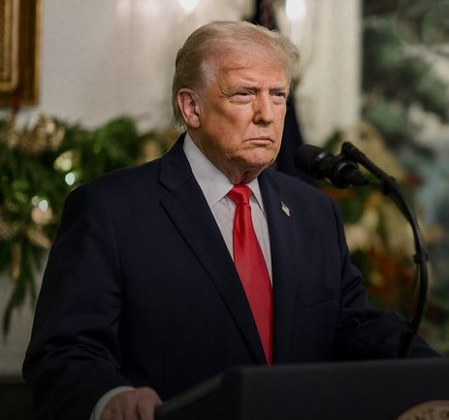
US President Donald Trump’s decision to launch military strikes on Iran came after a period of diplomacy, intelligence briefings, and pressure from regional allies. Major US media outlets detailed the events leading up to the strikes. The Wall Street Journal reported that US and Israeli intelligence agencies seized an opportunity when senior Iranian leaders gathered, identifying multiple crucial meetings.
Despite US intelligence not indicating an immediate threat to the mainland, Trump proceeded with the strikes. Regional allies, including Saudi Crown Prince Mohammed bin Salman, supported the action. Trump’s administration pursued a dual-track strategy, engaging in negotiations while bolstering military presence in the region. Ultimately, Trump decided on military action after Iran did not commit to halting nuclear weapon development.
The decision marked a significant military escalation between the US and Iran, aiming to shift the strategic balance without deploying ground forces. The long-standing hostilities between the two nations, dating back to the 1979 Islamic Revolution, have been fueled by nuclear tensions, regional conflicts, and attacks on US interests in the Middle East.
Democratic lawmakers questioned the urgency of the strikes, while Trump justified the action as necessary after decades of provocations from Iran. The strikes underscored a belief that air power and regional coordination could alter the dynamics without committing US troops on the ground.
