


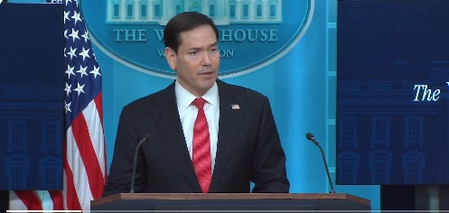
The United States has put forward a UN Security Council resolution alleging that Iran is endangering global shipping and destabilizing the vital energy route, the Strait of Hormuz. US Secretary of State Marco Rubio stated that the resolution aims to safeguard freedom of navigation in this crucial waterway, which facilitates a significant portion of worldwide oil transport. Rubio emphasized Iran’s actions, including threats to ships, laying sea mines, and attempts to impose tolls on the Strait, impacting the global economy.
The proposal comes amidst escalating tensions in the Gulf region and renewed worries about disruptions to international trade and energy distribution. The draft resolution, developed in collaboration with key Gulf allies such as Bahrain, Saudi Arabia, the UAE, Kuwait, and Qatar, was directed by President Trump. It calls on Iran to halt attacks, mining activities, and toll collection in the Strait of Hormuz, while also urging Tehran to reveal the locations and quantities of laid sea mines for removal.
Additionally, the resolution advocates for establishing a humanitarian corridor in the region, although specifics on its operation were not provided in the statement. Rubio expressed anticipation for the resolution to be voted on soon, seeking backing from Security Council members and a wide array of co-sponsors. The Strait of Hormuz serves as a critical maritime passage connecting Gulf oil producers to global markets, with any disruption in this key shipping lane capable of swiftly impacting oil prices, shipping expenses, and international supply chains.
The UN Security Council has previously discussed maritime security concerns related to Iran, with divisions among major powers like China and Russia often complicating efforts to enact unified measures against Tehran. China, a significant importer of Gulf energy resources, closely monitors developments in the Strait of Hormuz due to its significance for global oil flows and trade routes.
