


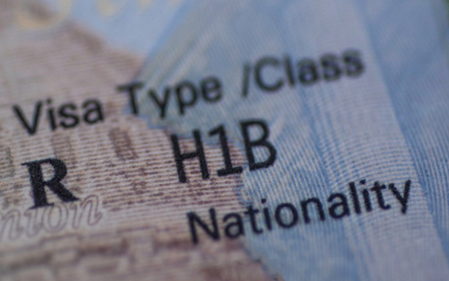
Public feedback on the US government’s new H-1B visa rule reveals a sharp divide on how it may influence high-skilled immigration and the tech industry. The Department of Homeland Security analyzed numerous comments received during the rulemaking process, showing contrasting opinions on whether the H-1B program benefits or harms the US economy.
Many comments emphasized the vital role played by H-1B professionals in fostering innovation, productivity, and entrepreneurship in the US. They highlighted the significant contributions made by foreign-born workers, especially in technology and research sectors.
On the other hand, some submissions focused on the impact on international students, suggesting that restricting job opportunities for US university graduates could hinder innovation and diminish the nation’s global competitiveness.
Startups and small businesses were also a key point in the feedback, with concerns raised about their ability to compete with larger companies in terms of salaries. Commenters warned that a wage-based selection system might disadvantage startups in accessing the H-1B program.
Several submissions underscored the importance of early-career professionals and research institutions in driving innovation. They cautioned that higher wage requirements could favor established firms and reduce diversity in the field of innovation.
One commenter highlighted the reliance of startups on the H-1B program to recruit workers with specialized skills. The submission expressed concerns that the new rule could increase costs and complexity, potentially hindering growth and global leadership in technology.
Critics questioned claims of a shortage in STEM labor and referenced studies suggesting an abundance of qualified tech workers in the US. They also pointed to data on unemployment among recent US graduates in computer science, arguing that job opportunities for domestic workers have diminished despite ongoing demand for H-1B hires.
