


The United States unveiled Operation Epic Fury, a comprehensive military campaign involving air, naval, cyber, and space operations that targeted more than 1,000 sites in Iran within the initial 24 hours. This operation engaged thousands of personnel, carrier strike groups, and long-range bombers across different regions. General Dan Caine, Chairman of the Joint Chiefs of Staff, highlighted the extensive planning and execution involved in this operation.
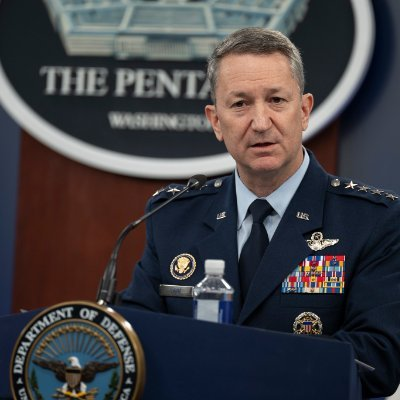
During a joint press conference at the Pentagon with Secretary of War Pete Hegseth, General Caine detailed the coordinated nature of the campaign. He mentioned that a diverse array of aircraft, including fighters, tankers, bombers, and unmanned platforms, participated in a synchronized assault from various locations. The operation commenced at 0115 Eastern Standard Time on February 28 under presidential authorization, delivering a swift and forceful blow across multiple warfare domains.
General Caine elaborated on the strategic buildup preceding the strike, which involved the repositioning of assets and personnel over the previous month to enhance deterrence capabilities. This deployment encompassed a significant number of service members, advanced fighters, carrier strike groups, and logistical support to sustain the mission. He emphasized the integration of reserve and National Guard forces, showcasing the collaborative effort behind the operation.
The operation integrated kinetic strikes with cyber and space operations to disrupt Iran’s capabilities effectively. Notably, American B-2 bombers executed a lengthy sortie from the US to target underground facilities with precision munitions. Defensive systems, including Patriot and THAAD batteries, played a crucial role in intercepting ballistic missiles aimed at US forces and regional stability. The involvement of allied air defense batteries underscored the success of joint training and cooperation in the region.
