


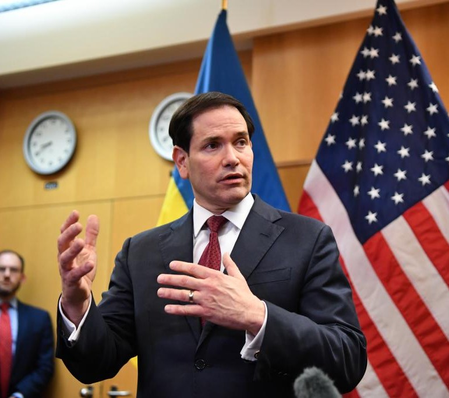
US Secretary of State Marco Rubio has intensified pressure on China and Russia regarding the Strait of Hormuz crisis. He cautioned that countries aiding Iran in evading sanctions could face economic repercussions from the United States. Rubio, speaking at a White House briefing, mentioned the administration’s plan for a renewed push at the United Nations and warned Beijing about the negative impact of Iran’s actions in the Gulf on its economic interests.
The administration is seeking global condemnation of Iran for its attacks on commercial shipping and mining activities in the Strait of Hormuz. Rubio emphasized that the aim is to have countries condemn these actions, urge Iran to cease hostilities, remove mines, and allow humanitarian aid to pass through the region. Rubio acknowledged previous resistance from China and Russia to similar UN efforts and mentioned slight adjustments in the language to avoid potential vetoes.
Describing the crisis as a test of the UN’s credibility, Rubio questioned the purpose of the organization in peacefully resolving global conflicts. He accused Iran of unlawfully attempting to control a vital shipping route by targeting commercial vessels. Rubio highlighted the Trump administration’s focus on China’s economic ties with Iran as part of expanding sanctions enforcement, warning of secondary sanctions for foreign entities aiding Iran in bypassing sanctions.
Rubio stressed the seriousness of US sanctions and the consequences for those disregarding them. He mentioned potential penalties for Chinese banks but refrained from specifying measures, indicating ongoing examination of enforcement options by Treasury officials. Rubio also addressed the impact of China’s relationship with Iran on global trade flows and China’s economy, urging China to pressure Tehran to reopen the Strait and cease attacks on shipping.
The briefing also covered broader US-China tensions ahead of President Donald Trump’s meeting with Chinese President Xi Jinping. Rubio anticipated discussions on Taiwan during the meeting, emphasizing the mutual interest of both countries in maintaining stability in the region.
