


A political clash unfolded in the US Senate regarding federal immigration enforcement tactics and civil liberties, drawing attention from immigrant communities, including Indian visa holders and green card applicants. The Senate Homeland Security and Governmental Affairs Committee scrutinized “Operation Metro Surge,” a significant Immigration and Customs Enforcement (ICE) operation in Minnesota. This operation was initiated following protests and confrontations between federal agents and protesters. The deaths of two US citizens, Renee Goode and Alex Preedy, in separate encounters with federal agents were a focal point of the discussion.
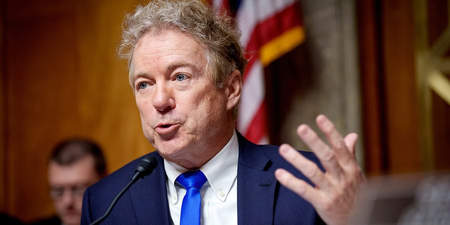
Committee Chairman Sen. Rand Paul emphasized the importance of “restoring public trust” and highlighted that filming government officials in public is a constitutional right in a free society. He cautioned against using rhetoric that could escalate tensions. Ranking Member Sen. Gary Peters criticized federal officers for employing “violent and heavy-handed tactics” and accused the administration of portraying the victims inaccurately as violent instigators. Minnesota Attorney General Keith Ellison labeled the surge as “the largest single immigration enforcement surge” in the nation’s history and urged lawmakers to halt it immediately, emphasizing that targeted enforcement was not the issue.
Republican lawmakers countered the criticisms, with Rep. Tom Emmer accusing Minnesota leaders of creating a safe haven for criminal illegal aliens and deeming the unrest as preventable. During the hearing, ICE Acting Director Todd Lyons mentioned that officers faced threats and assaults, emphasizing that no US citizen is subjected to immigration enforcement. Customs and Border Protection Commissioner Rodney Scott clarified that filming officers is not a criminal offense. Both officials confirmed that investigations into the shootings were ongoing and expressed a commitment to transparency, with body-camera footage set to be released at the appropriate time. Lawmakers also discussed enhancing cooperation between Minnesota officials and federal agencies to potentially alleviate tensions, suggesting clearer coordination on final deportation orders.
