


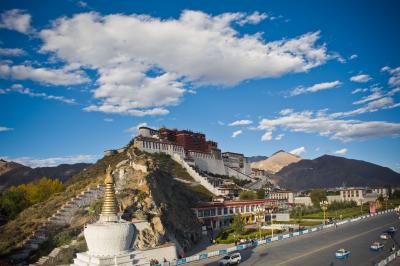
The US Department of State has reported that Chinese government regulations continue to hinder travel to the Tibetan Autonomous Region (TAR) and other Tibetan areas for US diplomats, officials, journalists, and tourists. Restrictions, including the need for government-issued travel permits, persisted throughout the past year. Diplomats and officials faced intimidation and surveillance, while Tibetan Americans encountered travel restrictions.
According to the report, diplomats and foreign officials were allowed to visit Tibetan areas outside the TAR without permits. However, Chinese security forces used surveillance to intimidate and harass US diplomats and other visitors. Journalists also faced restricted access to Tibetan areas, with Beijing controlling and limiting their entry.
The US State Department noted that Chinese regulations imposed significant restrictions on American journalists’ access to the TAR. Despite regulations not mandating prior permission for travel to most parts of China, including the TAR, Chinese authorities rejected numerous requests from US journalists. The report highlighted that foreign journalists faced challenges in reporting from Tibetan areas, with limited opportunities for independent reporting.
The report also mentioned restrictions on foreign officials’ access to monasteries in Tibetan areas of Kardze and Ngaba in Tibet’s Kham province. During visits to Tibetan areas, US diplomats were surveilled by local authorities, who at times prevented them from entering monasteries, restricted their movements, and monitored their interactions with locals.
