


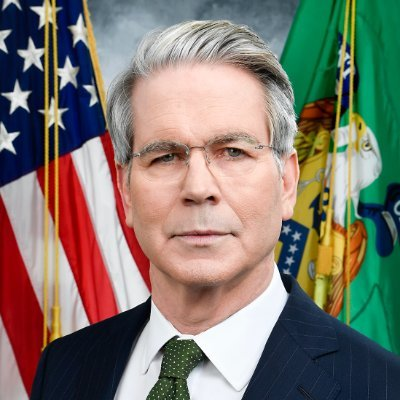
US Treasury Secretary Scott Bessent emphasized that tariffs will continue to play a crucial role in President Donald Trump’s economic approach, despite a Supreme Court ruling limiting their implementation under one legal authority. Addressing the Economic Club of Dallas, Bessent clarified that the court’s decision restricted the administration’s ability to generate revenue through the International Emergency Economic Powers Act (IEEPA).
Pushing back against critics who viewed the ruling as a setback, Bessent asserted that the Court did not oppose President Trump’s tariffs. Instead, he assured a seamless transition by utilizing alternative legal avenues such as Section 232 and Section 301 tariff authorities, which have withstood numerous legal challenges.
Highlighting Treasury estimates, Bessent projected that the combination of Section 122 authority with potentially reinforced Section 232 and Section 301 tariffs would maintain tariff revenue stability through 2026. These statements underscore the administration’s commitment to trade enforcement and tariff leverage as essential components of its economic security agenda.
Emphasizing the importance of economic security in safeguarding the nation, Bessent stressed the need to revitalize domestic industrial capacity and reduce dependence on foreign supply chains. With a focus on national security, the administration intends to persist in using tariffs as a strategic tool in economic statecraft, even with a shift in the legal framework.
