


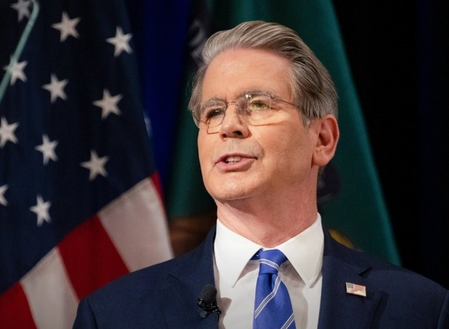
US Treasury Secretary Scott Bessent refuted claims that Iran has financially benefited from sanctions relief, stating that the reported estimates were inaccurate. Speaking before a Senate panel, Bessent dismissed assertions that Tehran had received billions in additional revenue amid the ongoing conflict. He emphasized that the suggested $14 billion windfall was unfounded, countering criticism from lawmakers.
During questioning by Senator Chris Coons, concerns were raised about the potential advantages to US adversaries resulting from eased restrictions on global oil flows. Coons highlighted the risks of Iran and Russia profiting from higher energy prices and reduced enforcement, cautioning that such actions could diminish US influence. In response, Bessent expressed disagreement, asserting that Iran had not significantly increased its revenue.
Bessent underscored that the Treasury’s efforts were focused on ensuring stability in global oil markets and preventing sharp price surges that could impact consumers negatively. He emphasized the importance of maintaining adequate oil supply to mitigate price fluctuations, pointing out the strategic positioning of oil resources across key global routes. The Secretary argued that these measures had effectively averted drastic price spikes.
The discussion at the hearing also touched upon broader concerns regarding fuel expenses. Lawmakers highlighted the escalating costs faced by Americans at the pump due to geopolitical tensions and policy decisions impacting global markets. Bessent clarified that the current market conditions reflected volatility rather than prolonged shortages, attributing price stabilization to administrative interventions aimed at regulating supply.
Sanctions against Iran continue to be a pivotal component of US foreign policy, aimed at curbing the country’s economic capabilities by limiting revenue from oil exports. Given the sensitivity of global oil markets to geopolitical shifts, particularly in the Middle East, alterations in supply dynamics or policy decisions can swiftly influence prices worldwide, affecting major importing nations like India.
