


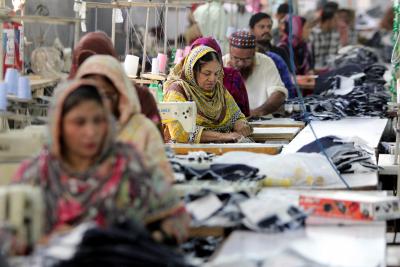
The Ministry of Textiles stated that India possesses one of the world’s largest textile recovery and recycling networks, dismissing what it called misleading portrayals by international media. Recent reports highlighted environmental and occupational concerns in clusters like Panipat but overlooked the sector’s strides in sustainability and technology adoption. The ministry emphasized that labeling India’s textile industry as environmentally negligent or exploitative is inaccurate, failing to reflect the country’s regulatory enhancements and sustainability initiatives.
According to official data, India produces approximately 7,073 kilo tonnes of textile waste annually, with nearly 97% of pre-consumer textile waste from manufacturing being recycled. The government refuted assertions that India serves as a dumping ground for Western fast-fashion waste, clarifying that the majority of the 7.8 million tonnes of textile waste managed annually is domestic, while imported waste constitutes only about 7%.
Citing a report by the Federation of Indian Chambers of Commerce & Industry (FICCI), the ministry revealed that the textile waste sector contributes an estimated economic value of around Rs 22,000 crore each year. Additionally, a study by researchers at the Indian Institute of Technology Delhi highlighted that textile recycling in the Panipat cluster reduces environmental impacts by up to 40% compared to virgin fibre production.
While acknowledging challenges in post-consumer waste management, informal units, and worker safety, the government assured that the industry is progressing towards greater formalization, cleaner technologies, and enhanced environmental compliance. Textile recycling units operate under existing environmental and labor regulations, with regulatory bodies like the National Green Tribunal (NGT) taking action against non-compliant entities.
