


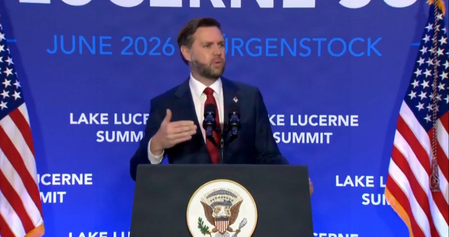
US Vice President JD Vance revealed that Iran has agreed to permit International Atomic Energy Agency (IAEA) inspectors into the country, marking a significant breakthrough in negotiations to halt Tehran’s nuclear weapons program and ease tensions in the Middle East. Vance highlighted this development as a major achievement in talks involving the US, Iran, and regional partners. He emphasized that discussions between Iran and the IAEA could commence promptly, with expectations of starting as early as today.
Negotiators, led by Vance, outlined four key objectives during talks in Switzerland, including ensuring the open passage through the Strait of Hormuz, establishing mechanisms to prevent Gulf escalations, reinforcing regional ceasefire arrangements, and structuring technical discussions on Iran’s nuclear activities. Vance expressed satisfaction with the progress made, particularly in maintaining the open status of the Strait of Hormuz and creating a coordination mechanism to avert potential conflicts from escalating.
Technical teams are set to continue refining the details of a comprehensive agreement in the upcoming days and weeks. Vance likened the progress to laying a solid foundation for a successful final deal, emphasizing the need to build upon this groundwork. Addressing concerns about President Donald Trump’s recent remarks towards Iran, Vance clarified that these statements did not disrupt the negotiations, with discussions persisting late into the night.
In addition to progress with Iran, Vance reported positive advancements in establishing a deconfliction mechanism in Lebanon to prevent clashes between Israel and Hezbollah from escalating regionally. He underscored the importance of safeguarding both Israel’s security and Lebanon’s sovereignty, indicating ongoing discussions on this matter. Vance assured ongoing communication with regional stakeholders, including Israel, Lebanon, Saudi Arabia, and the United Arab Emirates, to navigate the complexities of the negotiations.
Regarding frozen Iranian assets, Vance emphasized the need for safeguards to ensure that any future release of funds benefits the Iranian people rather than supporting militant activities. He stressed the importance of directing unfrozen Iranian assets towards assisting ordinary Iranians and preventing funds from being channeled into terrorism.
