


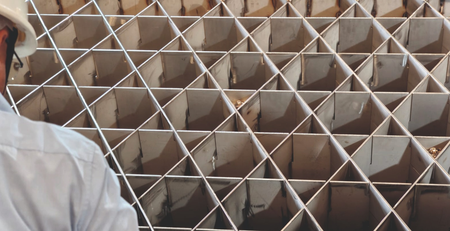
A Vadodara-based MSME has successfully developed critical equipment for nuclear power plants after three years of dedicated research. This achievement includes equipment for handling, transporting, and storing spent nuclear fuel rods, reducing India’s reliance on foreign suppliers. The MSME is now the world’s first facility to manufacture three key nuclear components under one roof: Fuel transfer machine, fuel transportation container, and fuel storage rack.
The development aligns with India’s ‘Make in India’ and ‘Aatmanirbhar Bharat’ initiatives, aiming for self-reliance in specialized systems previously imported. The equipment’s local production signifies a significant step forward for the country’s nuclear energy sector, enhancing its manufacturing capabilities and reducing dependence on external sources. The Vadodara MSME’s integrated manufacturing capability is a pioneering achievement in the global nuclear manufacturing landscape.
In nuclear power plants, electricity is generated through steam produced by highly heated water, a process driven by nuclear fission using Uranium-235 fuel rods. Once these rods reach the end of their operational life, they are stored in deep water-filled fuel ponds within the plant premises for several years. These spent fuel rods pose safety challenges due to their high heat and radiation levels, necessitating specialized handling systems for transportation and storage.
The Vadodara-based MSME responded to a request from the Nuclear Power Corporation of India Limited to develop domestic fuel transfer machines, transportation containers, and storage racks. The MSME has already produced Spent Fuel Storage Racks using borated stainless steel, a material capable of mitigating neutron emissions and criticality risks. These racks have passed stringent testing and are set to be dispatched to the Kudankulam Nuclear Power Plant in Tamil Nadu, showcasing India’s progress in high-precision nuclear component manufacturing.
The successful indigenous development of these critical nuclear components highlights Vadodara’s industrial prowess and India’s growing capability in meeting global standards in a complex industry. By transforming years of research into a strategic national asset, the MSME has not only bolstered India’s nuclear supply chain but also reinforced the nation’s self-reliance in crucial technologies.
