


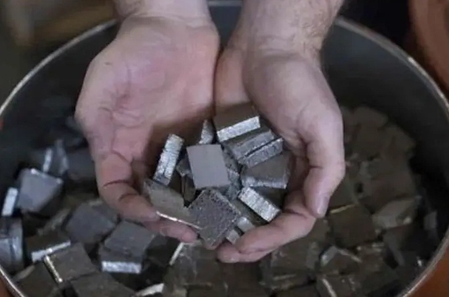
Venezuela, aside from its oil wealth, boasts significant reserves of nickel, iron ore, bauxite, coal, and gold. The country is now focusing on lithium, nickel, and rare earth elements as strategic resources. India is considering deeper investment partnerships in these sectors to ensure a stable supply of minerals crucial for batteries, electric vehicles, and clean-energy technologies.
In November 2025, the Venezuelan Government expressed interest in attracting more Indian investment and technical collaboration in mineral exploration and processing. This move signals a potential shift in the bilateral investment agenda. However, the report by Rubix Data Science highlights that the trajectory of Indian investment will hinge on US policy towards Venezuela, especially regarding sanctions enforcement and regulatory approvals.
While direct trade between India and Venezuela has declined due to sanctions, payment risks, and operational issues, Indian companies still maintain legacy investments, primarily in the oil and gas sector. Venezuelan crude, which was a significant part of India’s imports in the past, has seen a drastic reduction in recent years. Despite some relief due to eased sanctions, compliance, payment, and logistical challenges continue to impede trade flows.
The ongoing crisis between the US and Venezuela poses a challenge for India in managing its dependence on crude oil supply routes while safeguarding its overseas interests. Indian firms, such as ONGC Videsh and Indian Oil, have investments in Venezuelan hydrocarbons, with assets in heavy-oil projects. Any policy changes could directly impact these investments, according to the report. India is increasingly looking towards more stable suppliers and routes for oil imports, aiming to reduce reliance on sanctioned sources even if prices are attractive.
