


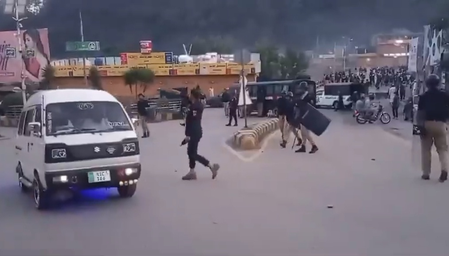
Indian and international agencies have raised concerns about a potential humanitarian crisis in Pakistan-occupied Kashmir (PoK) following recent killings and widespread protests. Officials fear that without immediate action, there could be significant human rights violations. The Pakistani authorities are expected to crack down on the protesters rather than engage with them, possibly leading to further violence.
The Joint Awami Action Committee (JAAC) in PoK has shown no signs of backing down, with protests spreading from Muzaffarabad to other parts of the region like Rawalakot. Despite calls for negotiations between the PoK Prime Minister and the JAAC, there are doubts about the sincerity of these efforts.
Intelligence reports suggest that the Pakistani army chief, Field Marshal Asim Munir, may have ulterior motives behind the proposed negotiations. Munir is reportedly planning to crush dissent using force rather than seeking a peaceful resolution. The ongoing protests and the authorities’ hardline approach have heightened concerns about escalating human rights abuses in the region.
The situation in PoK remains tense as security forces intensify their efforts to quell the protests. Munir’s apparent preference for using force over dialogue has raised alarms among agencies monitoring the developments. The disconnecting of essential services like power and water to pressure protesters highlights the authorities’ determination to suppress dissent.
Analysts draw parallels between the treatment of the JAAC in PoK and similar groups in Balochistan, where organizations are labeled as terrorist outfits. This classification provides legal cover for the authorities to use force against members of these groups. By framing their actions as necessary for national security, Pakistan aims to justify its crackdown on dissent in PoK.
