


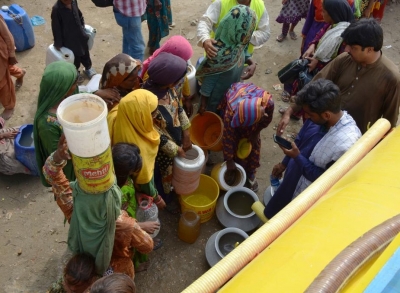
Quetta, the capital of Balochistan in Pakistan, is grappling with a severe water crisis as groundwater levels plummet and official water supplies from the Water and Sanitation Agency (WASA) are either cut off or significantly limited in many residential areas. Local media reported that neighborhoods like Sariab, Sirki Road, and Jinnah Town are among those hit hardest by water shortages. Residents, including elderly individuals and children, are compelled to trek long distances on foot to procure water due to the scarcity.
Many households in Quetta have been devoid of tap water for the past six months, disrupting daily life significantly. Despite regular payments of their WASA bills, residents lament that they are not receiving the water they are entitled to. Complaints have been lodged, but the issue remains unresolved, with authorities offering only verbal assurances.
The water dispute between the provinces of Sindh and Balochistan escalated on July 18, with three Balochistan ministers joining a farmers’ protest at Sukkur Barrage. They accused Sindh of diverting Balochistan’s allocated water share, leading to financial strain on farmers due to prolonged shortages. Balochistan’s Chief Minister Sarfaraz Bugti has established a committee to address water concerns with the Sindh government, emphasizing the need to uphold the 1991 Water Accord to secure Balochistan’s water entitlements.
