


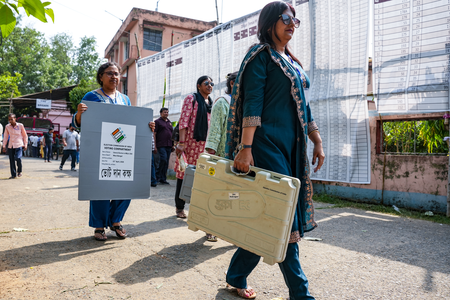
West Bengal commences its Assembly elections on Thursday, with approximately 3.6 crore voters expected to participate across 152 constituencies in 16 districts. The state, which previously had more phases, now sees a concentrated two-phase election with stringent security arrangements. Notably, this phase will witness a fierce competition primarily between the ruling Trinamool Congress and the Bharatiya Janata Party (BJP).
A total of 1,478 candidates are contesting in this phase, with significant focus on around 80 closely contested seats. The electoral battleground also features the Left Front, Congress, and new entrants, setting the stage for a multi-cornered electoral scenario. The constituencies up for polls are spread across various districts, including Darjeeling, Malda, Purulia, and Paschim Medinipur.
Both major parties, the Trinamool Congress and the BJP, are strategically positioning themselves for gains in different regions. The Trinamool aims to maintain its stronghold in rural and minority-dominated areas crucial for its electoral success. Meanwhile, the BJP eyes opportunities to strengthen its presence in North Bengal, border regions, and urban centers, intensifying the electoral contest.
The Election Commission has deployed a massive security presence, with over 2,400 Central Armed Police Forces (CAPF) companies and Quick Reaction Teams (QRTs) stationed at polling booths. Additionally, the Commission has introduced various measures like a dedicated complaint helpline, voter facilitation services, and enhanced observer deployment to ensure a smooth electoral process. The Special Intensive Revision (SIR) of the voters’ list has sparked political debates, with allegations and claims from different political parties regarding voter registration processes and potential impact on election outcomes.
