


In West Bengal, upcoming Assembly elections on April 23 and 29 will witness a direct political clash between the ruling Trinamool Congress and the main opposition, Bharatiya Janata Party (BJP). Traditionally, the party in power has held the minority mandate, but recent efforts aim to challenge this trend. Trinamool Congress has strategically included 47 minority candidates out of its 291 contestants this time.
The law does not prohibit parties from seeking additional votes to enhance their influence or national standing. However, in West Bengal, known for its ‘secular’ values, such tactics risk widening divisions beyond politics. Previous governments have been accused of favoring minority groups, with Chief Minister Mamata Banerjee referring to these voters as crucial in political terms.
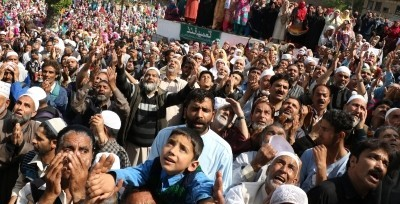
The significant Muslim population in the state, constituting around 30%, plays a pivotal role in electoral outcomes, particularly in over 115 Assembly seats. As anti-incumbency sentiments loom, various factors like smaller Muslim parties, a resurgent Congress, and voter discontent could challenge Trinamool Congress’ dominance. The political landscape is further complicated by the emergence of new players like the Indian Secular Front (ISF) and alliances aiming to sway the Muslim vote bank.
