


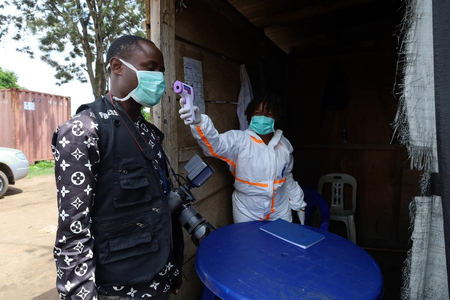
World Health Organization (WHO) Director-General Tedros Adhanom Ghebreyesus stated that the Democratic Republic of the Congo (DRC) has identified more than 900 suspected Ebola cases, with 101 confirmed cases as surveillance intensifies. In the Ituri province, where the outbreak is centered, nearly 5 million people reside amidst ongoing conflict, with a significant portion requiring humanitarian aid and many being internally displaced.
Tedros highlighted the challenges faced due to violence, which is causing displacement of people, including health and humanitarian workers, hindering efforts to enhance Ebola contact tracing and early infection identification. The WHO and health partners are actively present in Ituri, even in the most inaccessible and insecure areas, where communities are not only combating Ebola but also various other diseases. Emphasizing the importance of providing a comprehensive healthcare package, Tedros stressed the need to address urgent health needs and build trust crucial for an effective Ebola response.
WHO recently declared the Ebola outbreak caused by the Bundibugyo virus in DRC and Uganda as a public health emergency of international concern. The risk assessment was revised to “very high” at the national level on May 22, while maintaining it as “high” regionally and “low” globally. Ebola is a severe, often fatal illness that affects humans and other primates, transmitted through direct contact with infected individuals’ bodily fluids or contaminated materials.
