


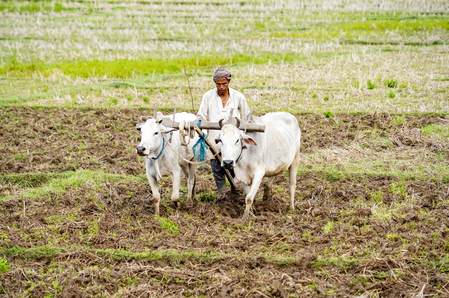
South Asia, including India, has the potential to create jobs, attract investments, foster economic development, and alleviate poverty through agricultural and food system improvements, as per the World Bank Group. The Ministry of Food Processing Industries, in partnership with the World Bank Group-led SAPLING initiative, launched the Regional High-Level Policy Dialogue in Ahmedabad. The World Bank Group stressed that expanding food systems beyond farming could unlock substantial opportunities.
The agriculture sector in South Asia, valued at over $700 billion annually and employing nearly 43% of the workforce, contributes only about 16% to the region’s GDP. Experts noted that more than 30% of food produced in South Asia is lost or wasted each year, equivalent to feeding around 300 million people. They highlighted the importance of enhancing food processing, storage, logistics, marketing, and value addition to create jobs, reduce food losses, and boost farmers’ incomes.
India has seen a significant rise in food grain production from 51 million tonnes in 1950-51 to over 330 million tonnes presently. Processed food exports have doubled in the last decade, exceeding $10 billion. Despite these advancements, there are still untapped opportunities. Experts pointed out that food processing’s employment contribution is limited, and a considerable portion of agricultural produce remains unprocessed. Strengthening cold chains, storage facilities, logistics networks, and market connections could significantly enhance value creation in the sector.
To expedite this transformation, the World Bank Group is promoting a comprehensive strategy through AgriConnect and SAPLING. AgriConnect, a global initiative, aims to link 300 million farmers to markets by 2030 through investments in infrastructure, policy changes, and private capital mobilization. The initiative is already backing projects and reforms in countries like India, Bangladesh, and Sri Lanka. Participants at the Dialogue stressed the need for collaborative efforts by governments, businesses, investors, and development organizations. They encouraged investors to support various aspects like cold chains, warehousing, logistics hubs, processing clusters, and agro-industrial parks.
