


In this Paro Pinaki Ki Kahani movie review, we explore a film that dares to shine a light where most cinema refuses to look. When was the last time you watched a Hindi film that centered an entire love story around a manhole cleaner and a vegetable seller—not as comic relief or supporting characters, but as the beating heart of the narrative? This debut feature arrives with the kind of sincerity that’s increasingly rare in contemporary Indian cinema, refusing to romanticize poverty while still finding genuine beauty in human connection.
The film’s title—Paro Pinaki Ki Kahani (The Story of Paro and Pinaki)—promises something intimate and personal, and that’s exactly what it delivers. With a runtime of just 91 minutes, this is lean, focused storytelling that understands the power of simplicity. Sanjay Bishnoi and Eshita Singh lead a cast of mostly newcomers who bring raw authenticity to material that could have easily slipped into melodrama in less careful hands.
What makes this film special isn’t technical wizardry or elaborate set pieces—it’s the courage to tell a story about India’s invisible workers with dignity, respect, and unflinching honesty. The closing credits dedication to manhole cleaners and similar workers reveals the film’s true heart: this is cinema as tribute, as acknowledgment, as a long-overdue recognition of humanity often overlooked.
Quick Takeaway:
Paro Pinaki Ki Kahani is a sincere social drama that succeeds through emotional authenticity and powerful lead performances. While the narrative structure occasionally stumbles and the pacing wavers in the final act, Sanjay Bishnoi’s heartfelt portrayal of Pinaki and the film’s unwavering commitment to honoring marginalized workers make this essential viewing. The love story at its core—tender, honest, and ultimately tragic—reminds us that dignity exists everywhere, if we’re willing to see it.
Language: Hindi
Runtime: 1 hour 31 minutes
Genre: Drama, Romance, Thriller
Release Date: February 6, 2026
Age Rating: U/A
The Plot: Love Blooms in Unexpected Places
At its heart, Paro Pinaki Ki Kahani tells a deceptively simple story that carries profound emotional weight. Pinaki (Sanjay Bishnoi) works as a manhole cleaner—one of society’s most essential yet stigmatized professions. Mariyam (Eshita Singh) sells vegetables to survive. Their worlds collide in the unglamorous confines of train toilets during daily commutes, where necessity becomes the unexpected catalyst for connection.
What begins as casual conversations—the kind strangers share in fleeting moments—gradually transforms into something deeper. In a world that constantly reminds them of their place at society’s margins, they find in each other something precious: genuine recognition, understanding, and eventually, love. The film beautifully captures how affection grows not through grand gestures but through shared vulnerability, through seeing and being seen.

As their relationship deepens, they dare to imagine a future together. Marriage becomes not just a possibility but a promise. And that’s when fate intervenes with devastating cruelty. Mariyam vanishes without explanation, leaving Pinaki shattered and desperate.
What follows is a search that exposes the brutal realities facing India’s most vulnerable. In his desperation, Pinaki fabricates a story about stolen jewelry, using police intervention to gain access to Mariyam’s house. His relentless pursuit ultimately uncovers a horrifying truth that exposes the commodification of women—Mariyam has been sold for a mere Rs 15,000.
The film weaves together themes of caste discrimination, women’s exploitation, and the dignity of manual labor. While the screenplay doesn’t always integrate these elements seamlessly, the intention remains powerfully clear: these are stories that deserve to be told, lives that deserve to be honored.
Performances: Truth Over Technique
Sanjay Bishnoi: A Star-Making Performance
This Paro Pinaki Ki Kahani movie review must begin by celebrating Sanjay Bishnoi’s remarkable work as Pinaki. This is the kind of performance that announces a serious talent—emotionally honest, physically committed, and utterly devoid of vanity. Bishnoi doesn’t just play a manhole cleaner; he inhabits the exhaustion, the quiet dignity, the flickering hope that defines Pinaki’s existence.
Watch how he carries himself—shoulders slightly bowed from labor, eyes that have learned to expect disappointment yet still dare to hope. The performance never announces itself, never begs for sympathy. Instead, Bishnoi trusts small moments: the way Pinaki’s face transforms when he sees Mariyam, the tremor in his hands when he realizes she’s gone, the determination that hardens his features when he refuses to give up.
The scenes where Pinaki goes from shop to shop, asking for any work that might earn him money to bring Mariyam back, showcase Bishnoi’s ability to convey desperation without melodrama. There’s a quiet power in how he negotiates with shopkeepers, maintaining dignity even while begging for opportunities. This is acting that understands that the most profound emotions often express themselves through restraint rather than explosion.

Eshita Singh: Grounded Authenticity
Eshita Singh brings remarkable naturalism to Mariyam, creating a character who feels lived-in rather than written. There’s no trace of actorly affectation in her work—she simply is this woman, carrying her daily burdens with resilience that never quite hardens into cynicism.
Her chemistry with Bishnoi feels genuinely organic, built on small gestures and shared understanding rather than conventional romantic beats. The moments they share in train toilets—unglamorous spaces transformed by human connection—carry real tenderness. Singh ensures that Mariyam registers as a complete person with her own interior life, not merely as the object of Pinaki’s affection or the victim of the plot’s cruel turn.
Even after her disappearance, Singh’s work in the earlier sequences creates such vivid presence that her absence genuinely haunts the remainder of the film. That’s the mark of a performance that transcends screen time.
The Supporting Ensemble: Authentic Voices
The predominantly newcomer cast contributes to the film’s documentary-like authenticity. None of these performers carry the baggage of previous roles or star personas—they simply inhabit this world with conviction. While individual supporting characters don’t receive substantial development, the collective presence creates a believable social fabric that grounds the central love story.
Direction: Sincerity as Style
The direction prioritizes emotional truth over technical flourish, which proves both the film’s greatest strength and occasional limitation. There’s an admirable commitment to presenting these lives without condescension or romanticization. The camera observes rather than judges, allowing dignity to emerge from the characters themselves rather than from directorial manipulation.
The use of real locations—actual train compartments, genuine market spaces, lived-in residential areas—adds substantial authenticity. These aren’t sets dressed to look poor; they’re the actual spaces where such lives unfold. This commitment to realism helps viewers connect viscerally with Pinaki and Mariyam’s world.
Where the direction occasionally falters is in pacing and narrative coherence. The final act, which should accelerate with urgency as Pinaki’s search intensifies, instead loses momentum. The screenplay attempts to juggle multiple social themes—caste discrimination, human trafficking, poverty—without always successfully weaving them into a cohesive whole. Stronger structural discipline could have sharpened the impact significantly.
Yet even in these weaker moments, the sincerity never wavers. This is filmmaking driven by genuine concern for its subjects, by a desire to honor rather than exploit. That moral clarity compensates for technical limitations.
Technical Aspects: Authenticity Over Artifice
Cinematography: Beauty in Unglamorous Spaces
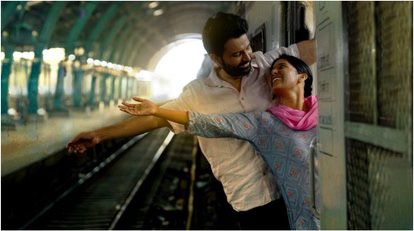
The cinematography embraces naturalism, finding visual interest in spaces most films ignore. Train toilets, manhole covers, vegetable markets—these become the canvas for a love story. The camera work is functional rather than flashy, which suits the material perfectly. There’s no attempt to beautify poverty, but neither does the film wallow in misery. Instead, it presents these environments as simply where life happens for millions of Indians.
The color palette reflects this approach—muted, realistic tones that ground the story in recognizable reality. In intimate moments between Pinaki and Mariyam, the framing becomes slightly tighter, creating visual emphasis on their connection without calling attention to the technique.
Editing: Room for Improvement
At 91 minutes, the film should feel brisk, but editorial choices create uneven pacing. The opening act establishes the relationship efficiently, but the search narrative that dominates the second half needed tighter construction. Scenes occasionally linger past their emotional peak, while other moments that deserve more space feel rushed.
Sharper editing could have transformed this from a good film into a truly powerful one. The raw materials—strong performances, important themes, emotional honesty—are all present. More disciplined cutting would have helped them cohere into maximum impact.
Sound and Music: Serving the Story
The sound design and background score embrace restraint, never manipulating emotions through excessive musical cues. This approach respects both the characters and the audience, trusting the inherent power of the story rather than forcing emotional responses through aural assault.
Cultural Significance: Cinema as Recognition
What elevates Paro Pinaki Ki Kahani beyond its narrative limitations is its fundamental act of recognition. By centering a love story around workers society trains us to overlook, the film performs essential cultural work. Manhole cleaners keep cities functioning, yet they’re rendered invisible by caste prejudice and social stigma. Vegetable sellers feed communities while struggling to feed themselves.
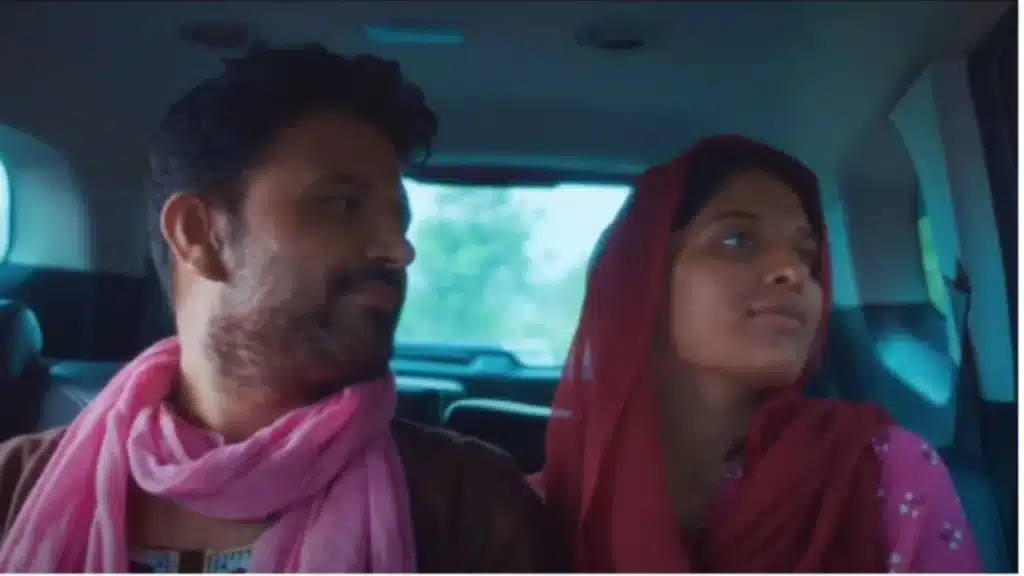
This film says: these lives matter. These loves matter. These stories deserve telling.
The dedication in the closing credits—honoring workers who perform society’s most stigmatized labor—transforms the entire viewing experience retroactively. Suddenly, every choice makes sense. The refusal to glamorize, the commitment to authentic locations, the casting of newcomers rather than established stars—all serve the larger purpose of tribute and acknowledgment.
In an industry often accused of reinforcing social hierarchies, here’s a film actively working against them. That’s worth celebrating, even when the execution doesn’t always match the intention.
Strengths and Where It Could Improve
What Works Beautifully
- Sanjay Bishnoi’s powerful, authentic performance – A breakthrough work that announces major talent
- Commitment to honoring marginalized workers – Cinema as recognition and tribute
- Genuine chemistry between lead actors – Love story that feels earned rather than manufactured
- Use of real locations for documentary authenticity – Unglamorous spaces presented with dignity
- Emotional honesty over melodrama – Restraint that increases rather than diminishes impact
- Important social themes tackled sincerely – Human trafficking and caste discrimination addressed directly
- Eshita Singh’s grounded, naturalistic work – Supporting performance that elevates the entire film
Where It Could Improve
- Pacing issues in the final act – Search narrative loses momentum when it should intensify
- Multiple themes not fully integrated – Ambitious scope occasionally creates narrative scatter
- Editorial discipline needed – 10-15 minutes trimmed would sharpen impact considerably
- Supporting characters underdeveloped – Social fabric established but individual voices need more definition
Final Verdict: 4/5 Stars ⭐⭐⭐⭐
Paro Pinaki Ki Kahani succeeds where it matters most—in its emotional core, in its respect for lives too often dismissed, in its refusal to exploit suffering for cheap sentiment. This Paro Pinaki Ki Kahani movie review celebrates a film that chooses sincerity over spectacle, dignity over melodrama, recognition over invisibility.
Yes, the screenplay could be tighter. Yes, the pacing wavers. Yes, stronger editorial discipline would have elevated the final product. But these are technical quibbles about a film whose heart beats in exactly the right place. When Sanjay Bishnoi’s Pinaki searches desperately for Mariyam, when he maintains dignity even while begging for work, when love persists despite impossible circumstances—these moments carry genuine power that transcends structural limitations.
The film’s dedication to workers performing society’s most stigmatized labor isn’t just a nice gesture—it’s the organizing principle that makes sense of every creative choice. This is cinema in service of acknowledgment, of saying “you exist, you matter, your stories deserve telling.”
In a Hindi film industry often accused of ignoring harsh social realities, here’s a film confronting them directly. In an era of three-hour bloated spectacles, here’s a 91-minute story that knows exactly what it wants to say. The execution may not always match the ambition, but the ambition itself deserves celebration.
Recommendation: Essential viewing for anyone who believes cinema’s purpose includes bearing witness, honoring overlooked lives, and finding beauty in unexpected places. Watch it for Sanjay Bishnoi’s career-making performance, stay for the reminder that love and dignity recognize no social hierarchy.
