


The sparkle of Diwali lights may fade, but the haze it leaves behind often lingers for days. In cities like Delhi-NCR, the morning after Diwali brings a thick cloud of smog — a toxic mix of dust, smoke, and fine particulate matter that makes the simple act of breathing a challenge. The average Air Quality Index (AQI) after Diwali 2025 has soared past 450, placing the region in the “severe” to “hazardous” category.
But even in these polluted days, there are simple and effective ways to protect your lungs, detox your body, and help your family breathe cleaner air again.
In this Article
Quick Answer:
After Diwali, the AQI in Delhi-NCR reached nearly 475 — a hazardous level. Stay indoors during peak pollution hours, use air purifiers or indoor plants, stay hydrated, practice deep breathing, and wear N95 masks outdoors. These steps help detoxify your lungs and reduce pollution-related health risks.
What Is the Air Quality After Diwali 2025?
According to data from AQI.in, Delhi’s pollution levels hit a staggering 475 at 6 AM on October 21, 2025, despite Supreme Court guidelines restricting firecracker use. The night-long celebrations filled the air with particulate matter (PM2.5 and PM10), creating visibility issues and triggering public health advisories.
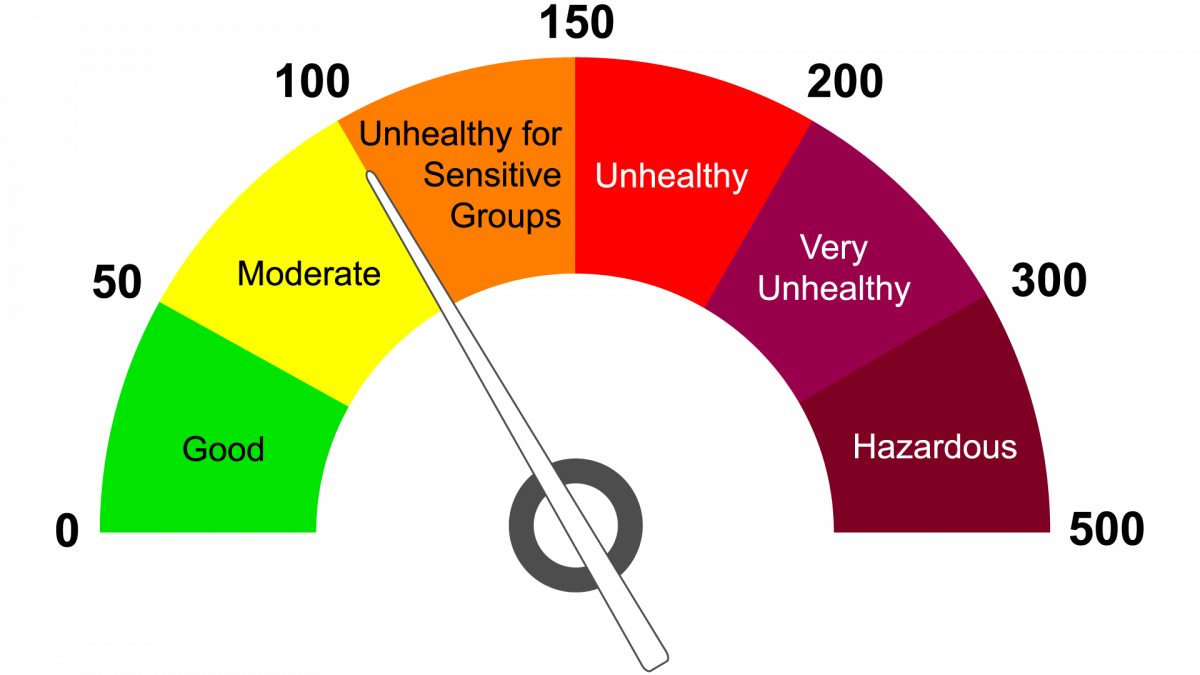
Doctors warn that such levels are 10 times above safe limits, potentially causing:
- Coughing and throat irritation
- Breathing difficulties
- Asthma attacks
- Eye irritation and fatigue
- Increased cardiovascular risks
The elderly, children, and those with respiratory diseases are particularly vulnerable during this time.
Simple Ways to Protect and Heal Your Lungs After Diwali
1. Stay Indoors When Pollution Peaks
Avoid going out early morning or late at night, when pollution levels are at their highest. Keep windows and doors shut during these hours, and use heavy curtains to reduce dust entry.
💡 Pro Tip: Download apps like SAFAR-Air or IQAir to track AQI in real time.
2. Use an Air Purifier or Air-Purifying Plants
Invest in a HEPA-filter air purifier for your living room and bedroom. Alternatively, bring nature inside with plants like:
- Aloe Vera
- Snake Plant
- Areca Palm
- Peace Lily
These plants naturally remove toxins such as benzene and formaldehyde from indoor air.
3. Stay Hydrated and Include Herbal Remedies
Drinking 2–3 liters of water daily helps flush toxins and keeps your airways moist.
Try these natural lung-soothing options:
- Tulsi or Ginger tea – reduces inflammation
- Turmeric milk – detoxifies the respiratory system
- Steam inhalation with eucalyptus oil – clears mucus
4. Practice Deep Breathing and Steam Therapy
Yoga-inspired breathing exercises like Anulom Vilom and Kapalbhati enhance lung capacity and oxygenation.
Perform steam inhalation twice a day to relieve congestion and cleanse airways.
5. Eat Lung-Cleansing Foods
Food plays a huge role in post-smog recovery.
Incorporate these items into your diet:
- Citrus fruits (oranges, lemons) – boost Vitamin C
- Spinach and broccoli – rich in antioxidants
- Turmeric and black pepper – anti-inflammatory duo
- Jaggery and honey – soothe throat and cleanse lungs
6. Wear a Mask Outdoors
If stepping out is unavoidable, use an N95 or N99 mask to block fine particles (PM2.5).
Avoid surgical or cloth masks—they don’t filter pollutants effectively.
7. Avoid Smoking and Incense Indoors
After Diwali, your lungs are already under stress. Avoid smoking or lighting incense sticks indoors, as both increase fine particle concentration in enclosed spaces.
8. Track the AQI Daily
Make checking the AQI part of your morning routine. Only plan outdoor activities when air quality improves to “moderate” or “good.”
You can track real-time data on:
How Diwali Smog Affects Health
Airborne pollutants like PM2.5, sulfur dioxide, and nitrogen oxides irritate the lungs, leading to inflammation. According to AIIMS Delhi, prolonged exposure can cause:
- Respiratory infections
- Reduced lung capacity
- Aggravated asthma and COPD
- Fatigue and headache
- Poor concentration and sleep quality
Natural Ways to Reduce Indoor Toxins
You don’t need fancy equipment—simple daily habits work wonders:
- Wipe surfaces and floors with a wet cloth instead of dry dusting.
- Boil water with camphor or clove to freshen indoor air.
- Burn ghee diyas (clarified butter lamps) instead of paraffin-based ones.
- Keep rock salt bowls around the house—they absorb moisture and airborne toxins.
FAQ: Protecting Your Lungs Post-Diwali
Q1: What AQI level is considered hazardous?
Any AQI above 400 is “severe” or “hazardous,” posing health risks even to healthy individuals.
Q2: Can Diwali smog affect people without respiratory conditions?
Yes. Even healthy individuals can experience coughing, throat irritation, and fatigue when AQI remains above 400.
Q3: Which herbal remedies are best for lung recovery?
Tulsi, mulethi (licorice), ginger, turmeric, and eucalyptus oil are known to soothe airways and clear mucus.
Q4: Should I exercise outdoors after Diwali?
Avoid outdoor workouts until the AQI drops below 200. Switch to indoor yoga or bodyweight exercises.
Q5: How long does it take for the air to clear after Diwali?
Typically, 3–5 days if wind speed improves and no new pollutants are added. In still weather, smog can linger for a week or more.
