


In this Thalaivar Thambi Thalaimaiyil movie review, we explore a film that arrives as a refreshing reminder that comedy doesn’t need to shout to be heard. When was the last time you watched a Tamil film that trusted its audience enough to find humor in pauses, in dialect, in the absurdity of grown men treating scheduling conflicts like ancient feuds? Director Nithish Sahadev, making his Tamil debut after the successful Malayalam film Falimy, brings exactly this sensibility to a simple premise: what happens when a wedding and a funeral collide on the same morning in a remote village?
The answer is pure festival entertainment—warm, witty, and wonderfully specific to the rhythms of rural Tamil Nadu. This is Jiiva at his most grounded and effective, supported by veterans like Ilavarasu and Thambi Ramaiah who understand that the best comedy comes from commitment, not caricature. With its ensemble cast where genuinely everyone shines and a narrative that knows its lane and stays in it, Thalaivar Thambi Thalaimaiyil is the cinematic equivalent of comfort food prepared with genuine care.
Quick Takeaway:
Thalaivar Thambi Thalaimaiyil is a delightful village comedy that succeeds through texture, timing, and terrific ensemble work. Though the climax ventures into broader territory than necessary, the film’s charm, Jiiva’s wonderfully measured performance, and Nithish Sahadev’s confident directorial vision make it perfect Pongal viewing for families seeking laughs without noise.
Language: Tamil
Age Rating: U
Genre: Comedy, Drama, Family
Director: Nithish Sahadev
The Plot: When Egos Won’t Fit on the Same Calendar
The beauty of Thalaivar Thambi Thalaimaiyil lies in its elegant simplicity. Jeevarathinam (Jiiva) is a village panchayat head summoned to resolve what should be a minor scheduling issue. The bride’s father (Ilavarasu) treats his daughter’s wedding like a coronation ceremony that deserves the prime 10:30 AM slot. Next door, an old man passes away, and his son Mani (Thambi Ramaiah) decides that mourning means asserting dominance—naturally, also at 10:30 AM.
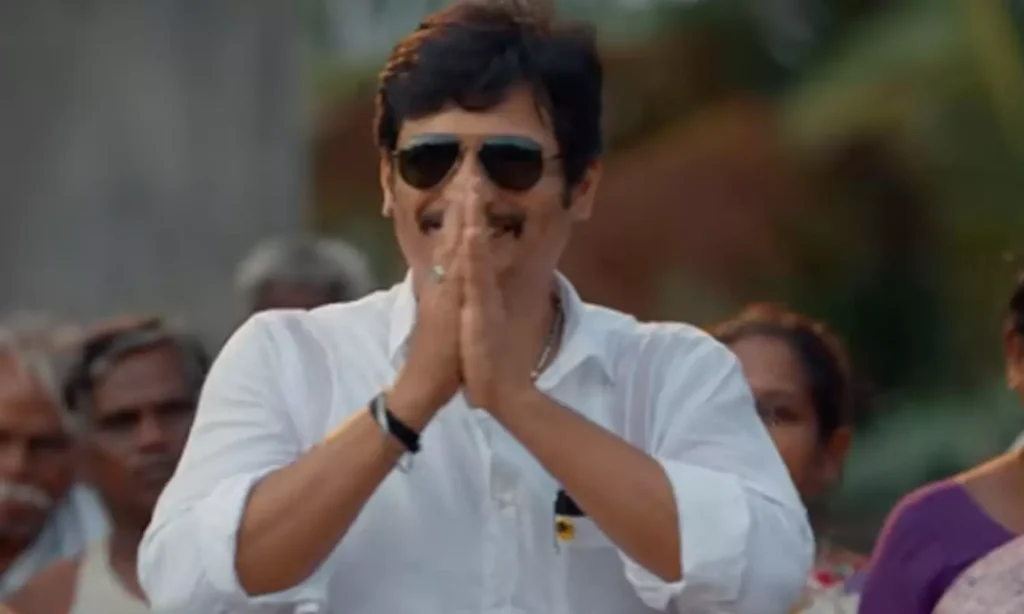
What follows is one long night of escalating absurdity as two immovable forces refuse to budge, and Jeevarathinam discovers that reason has no power against wounded male pride. The film understands that nothing strips civilization off grown men faster than a scheduling conflict, and mines this truth for consistent laughs.
The genius here is in what the film doesn’t do. It doesn’t condescend to its village characters. It doesn’t treat rural life as inherently backward. Instead, it recognizes universal human behavior—the way egos disguise themselves as tradition, how minor conflicts become matters of honor, and the peculiar comedy of watching intelligent people choose stubbornness over sense.
Performances: Every Actor Understands the Assignment
Jiiva: Finding Fresh Ground in Familiar Territory
This Thalaivar Thambi Thalaimaiyil movie review must highlight Jiiva’s smart, restrained performance. His Jeevarathinam is genuinely intelligent and reasonable—not the bumbling mediator we’ve seen in countless village comedies. The character’s limitation isn’t mental; it’s behavioral. He can diagnose problems brilliantly, negotiate with skill, and maintain composure when chaos erupts around him.
What he cannot do is take that final decisive step when situations demand physical intervention. When Mani waves a giant sickle threatening violence, when the absurdity requires someone to literally put their foot down, Jeevarathinam… talks. It’s a fascinating character choice that Jiiva plays with complete conviction, never winking at the camera, never apologizing for his passivity.
Watch how Jiiva modulates his energy across the film’s runtime—patient in negotiation, increasingly frazzled as the night wears on, but always maintaining that core decency that makes us root for him even when we want to shake him. This is an actor rediscovering the pleasure of underplaying, trusting that less can genuinely be more.
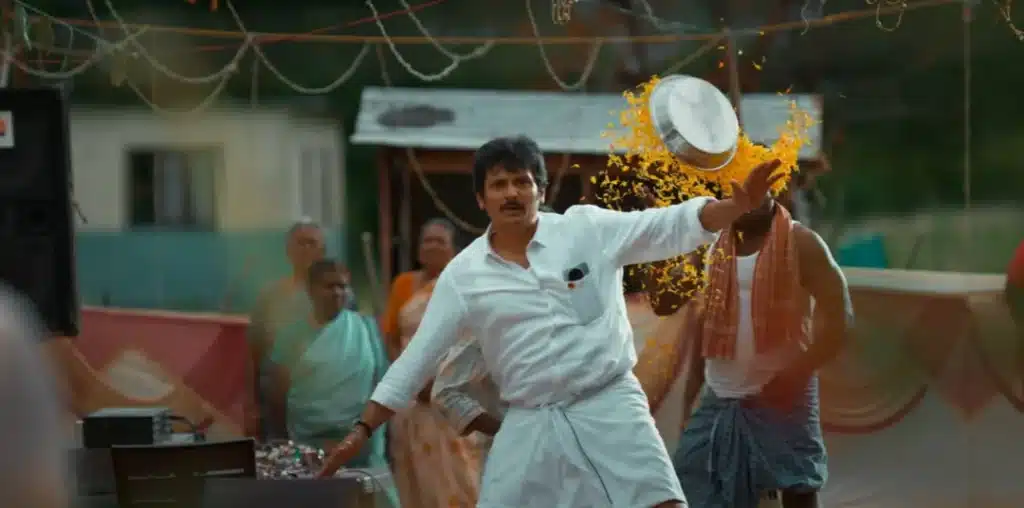
Ilavarasu and Thambi Ramaiah: Masters at Work
These two veteran actors could perform roles like this in their sleep, but the joy here is watching them bring full commitment to every moment. Ilavarasu’s puffed-chest patriarch who treats wedding logistics like military strategy lands every beat. Thambi Ramaiah’s Mani oscillates between genuine grief and opportunistic posturing with seamless transitions.
The film gives them room to breathe, to find comedy in held reactions and dialect-specific timing. Their showdowns crackle with the energy of two actors who know exactly how far to push without toppling into farce.
The Ensemble: Depth Through Details
Here’s where Thalaivar Thambi Thalaimaiyil truly excels—its rotating cast of village characters each contribute memorable moments before gracefully stepping aside. The groom and his brother play up their exaggerated accents with infectious energy. Mani’s bedridden father delivers perfectly timed comic beats before his narrative exit. Jenson Dhivakar creates a genuinely slimy weasel of a character who serves the plot while generating laughs.
Every small role feels inhabited by someone who’s thought about their character beyond the page. This depth transforms what could be generic village comedy into something that feels lived-in and specific. Not every joke lands perfectly, but the batting average remains impressively high because everyone commits fully to the world Sahadev has created.
Direction and Vision: A Confident Tamil Debut
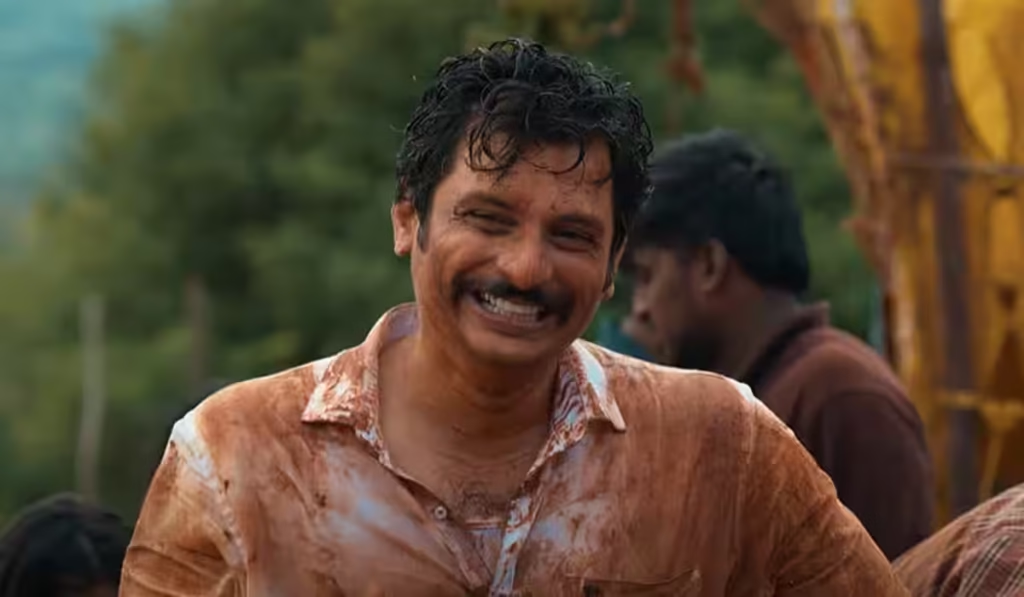
Nithish Sahadev brings his Malayalam sensibilities to Tamil cinema without losing what made his previous work connect with audiences. His greatest strength is recognizing that comedy lives in small beats—a reaction held two seconds longer than expected, the specific musicality of village dialect landing a punchline, two patriarchs treating procession routes like territorial disputes.
The director demonstrates admirable restraint for most of the runtime. He lets situations escalate naturally rather than forcing comedy through exaggeration. He trusts his actors to carry scenes without elaborate setups. He understands that texture matters as much as plot—the way light falls in a particular location, the ambient sounds of a village night, the physical geography that determines where characters can and cannot go.
Sahadev’s staging of the negotiation sequences shows real craft. These are essentially people talking in rooms, but through blocking, reaction shots, and rhythm, they remain consistently engaging. The film’s climax ventures into broader physical comedy that doesn’t quite match the tone established earlier, but Sahadev navigates these tonal shifts with enough skill to maintain momentum.
Technical Brilliance: Craft in Service of Story
Cinematography: Capturing Village Life Authentically
The visual approach here is refreshingly unfussy. The camera captures rural Tamil Nadu with clear-eyed honesty—neither romanticizing poverty nor making the setting look artificially picturesque. The lighting feels natural, using available sources to create atmosphere without drawing attention to itself.
What impresses most is how the cinematography finds fresh angles within limited locations. The single-setting constraint never feels claustrophobic because the camera keeps discovering new ways to frame familiar spaces. Night sequences maintain visibility while preserving the sense of darkness pressing in around these characters.
Music and Sound Design: Comedy Through Audio
The background score understands when to step back and let dialogue breathe. In village comedy, the spaces between words often carry as much comedy as the words themselves, and the sound design preserves these crucial silences.
Music choices complement rather than dominate, with selections that feel appropriate to the setting without becoming distractingly period-specific. The sound mix ensures that every line lands clearly—essential for comedy that relies on dialect and delivery.
Editing: Maintaining Momentum
The pacing stays brisk through the negotiation-heavy middle section, no small feat when much of the film consists of people arguing in circles. Scenes end at just the right moment, before repetition sets in. The interweaving of different character perspectives maintains clarity despite the growing chaos.
The second half could benefit from slightly tighter cuts, particularly when the physical comedy escalates, but these are minor adjustments to an otherwise well-constructed film.
Cultural Context: Celebrating Village Dynamics
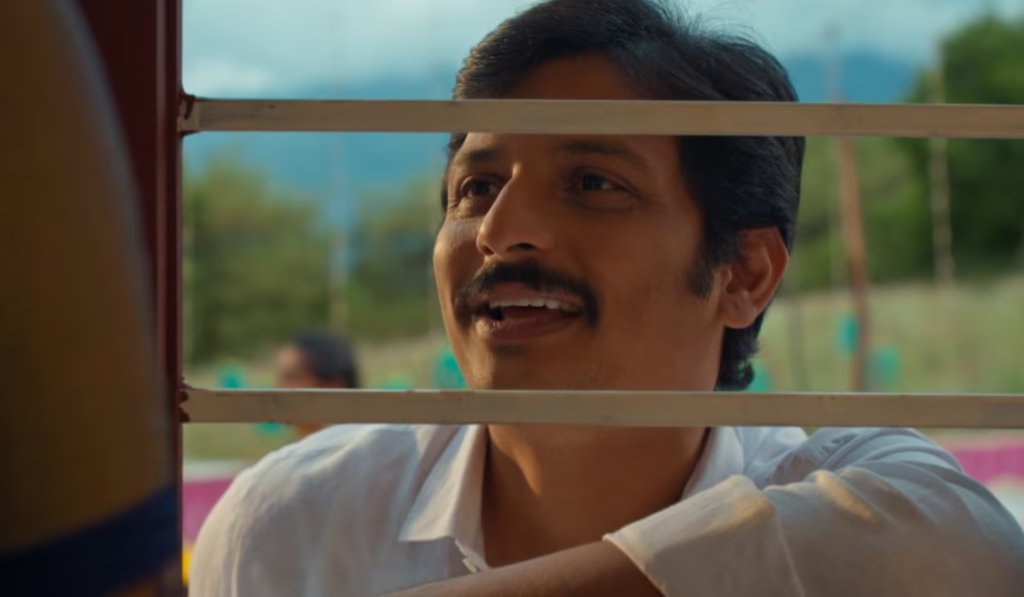
Thalaivar Thambi Thalaimaiyil succeeds because it gets village politics right. The film understands how hierarchy, honor, and family reputation intersect in rural communities. It recognizes that what seems trivial from outside—a few hours’ difference in scheduling—carries enormous weight within the specific social ecosystem being portrayed.
The humor emerges from this specificity. The way alliances shift based on family connections, how quickly reason evaporates when pride enters the equation, the peculiar logic that governs who can speak to whom and when—these details ground the comedy in observable human behavior rather than lazy stereotypes.
For Tamil audiences, particularly those with rural connections, the film will resonate on multiple levels. For urban viewers or those from other regions, the universal truth of ego-driven conflict provides entry points even when specific cultural references might not fully land.
Strengths: What Makes This Festival Fare Shine
What Works Beautifully:
- Jiiva’s measured, intelligent performance – A fresh take on the mediator role
- Nithish Sahadev’s confident directorial debut – Restraint and trust in material
- Ensemble work where everyone contributes – Depth of supporting performances
- Comedy through texture and timing – Small beats executed brilliantly
- Authentic village atmosphere – Specific without becoming caricature
- Clear understanding of its identity – Never reaches beyond its grasp
- Family-friendly entertainment – Laughs without relying on vulgarity
- Perfect Pongal programming – Communal viewing experience
Minor Areas for Improvement:
- Climax tonal shift – Broader comedy doesn’t quite fit established tone
- Could trim 10-15 minutes – Some sequences stretch their premise
- Passive protagonist limits stakes – Jeevarathinam’s character choice occasionally frustrates
- Physical comedy escalation – Works better when grounded in reality
Final Verdict: 5/5 Stars ⭐⭐⭐⭐⭐
Thalaivar Thambi Thalaimaiyil is exactly what its festival release promises and nothing it doesn’t—honest, entertaining family comedy that respects its audience enough to trust small moments. This Thalaivar Thambi Thalaimaiyil movie review celebrates a film that succeeds by knowing its lane and staying in it with confidence and craft.
Nithish Sahadev’s Tamil debut demonstrates real understanding of comedy rhythms, character dynamics, and the value of restraint. Yes, the climax ventures into territory that doesn’t quite match the film’s established tone. Yes, the runtime could lose a few minutes without losing impact. But these are gentle criticisms of a film that delivers consistent warmth and laughter across its runtime.
Jiiva reminds us that interesting choices matter more than safe ones, even in modest village comedies. The ensemble cast proves once again that Tamil cinema’s strength lies in its depth of reliable supporting actors who elevate everything they touch. And every technical department contributes to creating a world that feels lived-in rather than constructed.
The Joy of Knowing Your Lane
There’s genuine pleasure in watching a film that understands exactly what it wants to be. Thalaivar Thambi Thalaimaiyil doesn’t pretend to revolutionary ambitions. It’s not reinventing comedy or making grand statements about rural life. Instead, it focuses on executing familiar elements with care, timing, and genuine affection for its characters and setting.
This is Pongal entertainment done right—cinema designed for families to watch together, where the laughs are meant to be shared and the conflicts are safely absurd. You won’t remember every detail a week later, but you’ll remember how it made you feel: warm, amused, and satisfied that two hours passed pleasantly in good company.
For audiences seeking festival films that deliver exactly what they promise with skill and heart, Thalaivar Thambi Thalaimaiyil offers precisely that and sometimes a bit more. Recommended for families seeking warm, intelligent comedy that celebrates community without condescension.
