


You’ve decided to buy a diamond solitaire—whether it’s for an engagement, anniversary, or that milestone you’ve been working toward. But standing at the jewelry counter (or scrolling through endless online options), you’re hit with a wall of terminology: lab-grown versus natural, VS2 clarity, G color, GIA certification. What does it all mean, and more importantly, what actually matters?
For Indian buyers—whether you’re shopping in Bangalore or Boston, Delhi or Dubai—this purchase represents more than just jewelry. It’s an investment, often a significant one, and you need to know exactly what you’re paying for.
Quick Summary
When buying a diamond solitaire, prioritize certification (GIA/IGI), choose VS1-VS2 clarity and G-H color for best value, and select 14K-18K gold settings. Natural diamonds retain 50-70% resale value; lab-grown diamonds cost 40-60% less but have minimal resale value. Budget ₹1.5-8 lakhs for quality natural solitaires (0.50-1.00 carat).
Lab-Grown vs. Natural Diamonds: What’s the Real Difference?
Let’s start with the question everyone’s asking: are lab-grown diamonds “real” diamonds?
Yes, they are. Lab-grown diamonds are chemically, physically, and optically identical to natural diamonds. They’re not cubic zirconia or moissanite—they’re actual diamonds, just created in controlled laboratory environments rather than formed naturally over billions of years beneath the Earth’s surface.
How Lab-Grown Diamonds Are Made:
Lab-grown diamonds are created using two main methods: High Pressure High Temperature (HPHT) or Chemical Vapor Deposition (CVD). Both processes replicate the natural conditions that form diamonds, just in weeks instead of geological timeframes.
The Key Differences:
Origin & Rarity:
- Natural diamonds formed 1-3 billion years ago deep in the Earth’s mantle
- Lab-grown diamonds are manufactured in weeks using modern technology
- Natural diamonds are finite; lab-grown supply is unlimited and expanding
Detection:
- Jewelers cannot tell them apart with the naked eye
- Specialized gemological equipment is required for identification
- Both look identical in jewelry settings
Pricing:
- Lab-grown diamonds cost 40-60% less than equivalent natural diamonds
- Natural diamond prices remain relatively stable
- Lab-grown prices continue to decrease as technology improves
Here’s what matters practically: both will sparkle beautifully on your hand. Your guests at family functions won’t know the difference by looking. The photos will be equally stunning. The distinction comes down to origin, investment value, and what the purchase represents to you.
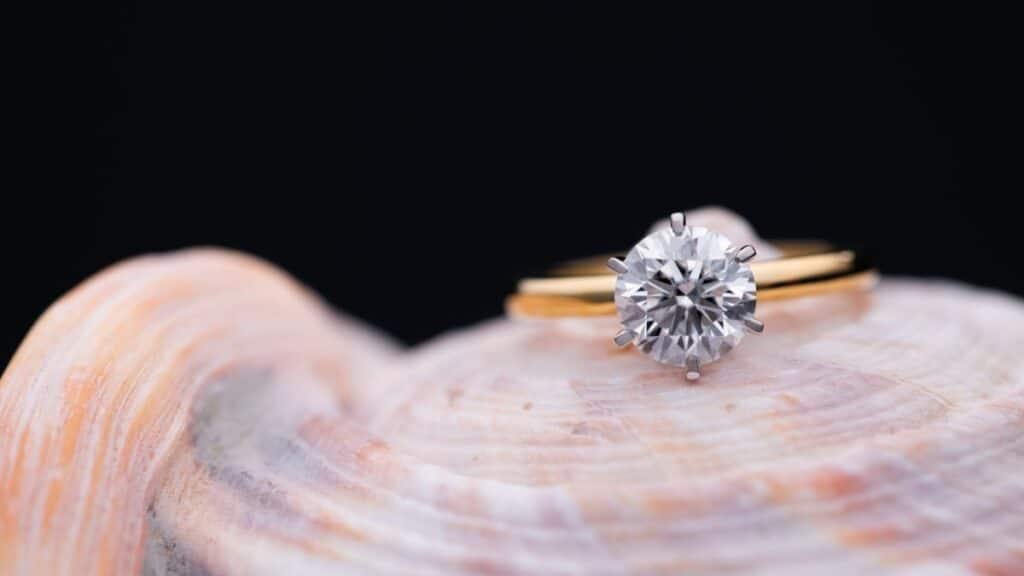
Resale Value: The Reality You Need to Know
This is where the conversation gets uncomfortable, but it’s crucial information before you spend lakhs of rupees.
Natural Diamonds: Long-Term Value Retention
Natural diamonds typically retain 50-70% of their retail purchase value in the resale market. Yes, you’ll lose money compared to what you paid (jewelry always includes retail markup), but a substantial secondary market exists.
Real-World Example: A ₹4 lakh natural diamond solitaire purchased today might fetch you ₹2-2.8 lakhs if you need to sell it 5-10 years later, depending on its quality, market conditions, and where you sell it.
Where You Can Sell Natural Diamonds:
- Estate jewelers and diamond buyers
- Pawn shops (lower offers but immediate cash)
- Online diamond marketplaces
- Some jewelry retailers offer buyback programs
- Private sales through verified platforms
Lab-Grown Diamonds: Minimal Resale Market
Lab-grown diamonds currently have almost no resale value. Most jewelers won’t buy them back, and the secondary market is virtually non-existent.
Why the Resale Gap Exists:
- Lab-grown diamond prices drop year over year as production scales
- Unlimited supply means no scarcity premium
- Buyers prefer purchasing new lab-grown at current (lower) prices
- No established secondary market infrastructure yet
Real-World Example: A ₹2 lakh lab-grown diamond solitaire might only fetch ₹20,000-40,000 if you can find a buyer at all. Many jewelers simply won’t purchase them.
Making the Right Choice for Your Situation
Choose Natural Diamonds For:
- Engagement rings and wedding jewelry
- Heirloom pieces to pass down generations
- Investment purchases where value retention matters
- Significant milestone purchases with long-term perspective
Choose Lab-Grown Diamonds For:
- Fashion jewelry you’ll update in a few years
- Maximizing size and sparkle within budget
- Pieces where resale value isn’t a consideration
- Multiple jewelry items where cost matters
The 40-60% savings on lab-grown diamonds is real and significant. But so is the value retention of natural diamonds over decades. Your choice depends on your priorities—current budget flexibility or long-term investment value.
Carat Size: Understanding Weight vs. Visual Impact
Carat measures a diamond’s weight (1 carat = 200 milligrams), but carat alone doesn’t determine beauty, sparkle, or even how large a diamond appears.
Recommended Carat Sizes by Purpose
For Engagement Rings:
- 0.50-0.75 carat: Elegant, timeless, budget-friendly (₹1.5-4 lakhs for natural)
- 1.00 carat: The classic choice with strong presence (₹4-8 lakhs for natural)
- 1.50+ carat: Statement pieces (₹8+ lakhs for natural)
For Pendants:
- 0.25-0.50 carat: Delicate and refined, perfect for daily wear
- 0.75-1.00 carat: Noticeable without being overwhelming
For Earrings (per stone):
- 0.25-0.50 carat: Balanced and proportional
- 0.75+ carat total weight: Makes a statement for special occasions
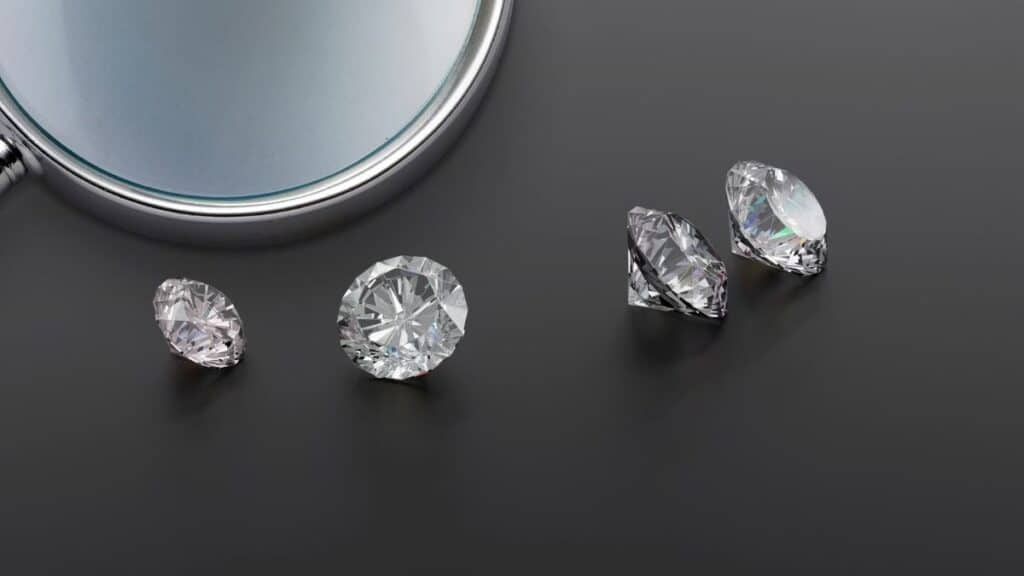
Gold Karat for Diamond Settings: Choosing the Right Metal
Your diamond deserves a setting that’s both beautiful and functional. In Indian jewelry traditions, gold purity is paramount, but for diamond solitaires, the rules are different from plain gold jewelry.
Understanding Gold Purity Levels
14K Gold (58.3% Pure Gold):
- Durability: Most durable option for diamond settings
- Best For: Engagement rings, daily-wear jewelry
- Advantages: Resists scratching, holds stones securely, less expensive than higher karats
- Color: Slightly lighter than 18K or 22K gold
- Recommended For: Active lifestyles, everyday wear
18K Gold (75% Pure Gold):
- Durability: Excellent balance of purity and strength
- Best For: Fine jewelry, special occasion pieces
- Advantages: Richer gold color, still durable, international standard for luxury jewelry
- Color: Beautiful deep gold tone
- Recommended For: Investment pieces, solitaire engagement rings
22K Gold (91.6% Pure Gold):
- Durability: Very soft, bends and scratches easily
- Best For: Plain gold jewelry without stones
- Disadvantages: Prongs can bend, stones may come loose, not secure for valuable diamonds
- NOT recommended for diamond solitaires
Why 22K Gold Doesn’t Work for Diamonds
Many Indian families traditionally prefer 22K gold because “that’s what real gold is.” But for diamond jewelry, this creates serious problems:
The softness of 22K gold means prongs holding your expensive diamond can bend or break with normal wear. You risk losing a stone worth lakhs of rupees because the setting isn’t strong enough.
Even premium Indian jewelers like Tanishq and Kalyan Jewellers recommend 18K or 14K gold specifically for diamond jewelry. This isn’t about cutting corners—it’s about protecting your investment.
Metal Color Options
Yellow Gold:
- Traditional, warm, universally flattering on Indian skin tones
- Complements diamonds in G-J color range beautifully
- Classic choice that never goes out of style
White Gold:
- Modern, sleek appearance
- Makes diamonds appear whiter and brighter
- Requires periodic rhodium plating to maintain color
- Popular for contemporary designs
Rose Gold:
- Romantic, trendy, adds warmth
- Unique alternative to traditional options
- Works beautifully with certain diamond colors
- Increasingly popular among younger buyers
Platinum (Alternative to Gold):
- Most durable metal option
- Naturally white, never needs plating
- Hypoallergenic and pure
- Premium pricing but lifetime durability
- Holds diamonds most securely
Diamond Color: The Grades That Matter
Diamond color grading runs from D (completely colorless) to Z (light yellow or brown tint). Here’s the insider knowledge: most people cannot distinguish between adjacent color grades without professional training and controlled lighting conditions.
The Color Grading Scale Explained
D-E-F (Colorless):
- Absolutely no detectable color even under magnification
- Premium: 20-40% price increase over near-colorless grades
- Necessary For: Diamonds over 2 carats, platinum or white gold settings where any warmth shows
- Reality Check: Overkill for most buyers’ needs
G-H-I (Near Colorless) – THE SWEET SPOT:
- Best value for most Indian buyers
- Virtually no color detectable to the naked eye when set
- Savings: 15-30% less than colorless grades
- Excellent sparkle and beauty
- Recommended: G-H for white gold/platinum, H-I for yellow gold
J-K-L (Faint Color):
- Slight warmth visible to trained eyes
- Can look beautiful in yellow gold settings (warmth complements warmth)
- Budget-friendly option
- Avoid: In white gold or platinum where color becomes more apparent
Below M (Very Light to Light Color):
- Noticeable yellow or brown tint
- Not recommended for colorless solitaire purchases
- Significantly impacts value and appearance
Rose Gold Settings:
- I-J grades work perfectly
- The warm metal color masks diamond warmth
Lab-Grown Diamond Color Advantage
Lab-grown diamonds often come in higher color grades (D-F) at accessible prices because the manufacturing process is controlled. If you’re considering lab-grown, this is one area where you can genuinely upgrade without major cost impact.
For a natural diamond, prioritize G-H color for the best balance of beauty and value.
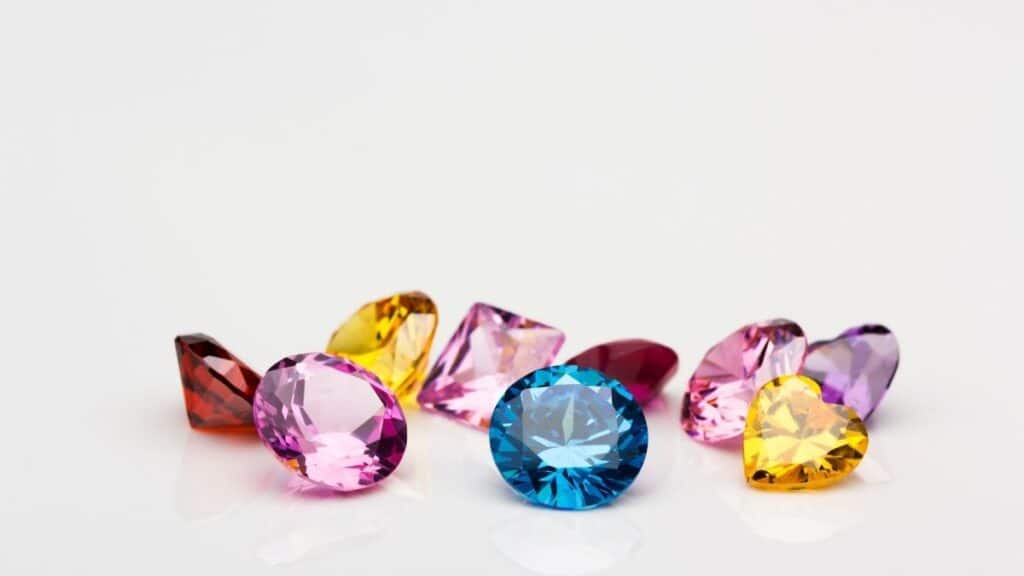
Clarity: What You Can Actually See
Clarity refers to the presence of internal inclusions (trapped minerals, tiny fractures) and external blemishes in a diamond. The grading scale runs from Flawless (FL) to Included (I3).
The Clarity Grading Scale
FL-IF (Flawless to Internally Flawless):
- No inclusions visible under 10x magnification
- Extremely rare, museum-quality stones
- Premium: 40-60% more than slightly included grades
- Reality: Unless you’re a serious collector or investor, unnecessary expense
VVS1-VVS2 (Very Very Slightly Included):
- Inclusions extremely difficult for trained graders to see under magnification
- Eye-clean to everyone including professional jewelers
- Excellent quality but premium pricing
- Good For: Large diamonds (1.5+ carats) or serious investment pieces
VS1-VS2 (Very Slightly Included) – RECOMMENDED GRADE:
- Best value for money
- Inclusions not visible to naked eye (eye-clean)
- Requires 10x magnification for trained grader to detect
- Savings: 20-40% less than VVS grades
- Ideal For: Engagement rings, solitaire pendants, quality jewelry purchases
SI1-SI2 (Slightly Included):
- Inclusions visible under magnification, sometimes to naked eye
- SI1: Some stones are eye-clean, especially in smaller carats—inspect carefully
- SI2: Often has visible inclusions, not recommended for solitaires
- Budget option if you inspect the specific stone
I1-I3 (Included):
- Visible inclusions that affect brilliance and sparkle
- May impact diamond durability
- Not recommended for solitaire purchases
