


Hair trends are trading beachy texture for polished sophistication. From glossy bobs to feathered shags, the focus is on healthy-looking hair with intentional styling—think sleek finishes, rich brunettes, and the triumphant return of the side part. Whether you’re navigating humid summers in Houston or dry winters in Toronto, these versatile cuts and styling approaches work across climates and hair types while honoring your natural texture.
Quick Summary:
hairstyles emphasize polished, glossy finishes over tousled waves, featuring soft bobs, layered cuts like butterfly and feathered shags, bottleneck and curtain bangs, the return of side parts, and ’90s-inspired wet looks—all celebrating natural texture with elevated, intentional styling.
Table of Contents
Hair Trends Matter for Indian Women Abroad
Hair trends don’t exist in a vacuum—they need to work with your lifestyle, climate, and the reality of managing hair between salon visits that might be weeks apart. For Indian women living abroad, hair trends matter most when they complement natural texture (whether that’s waves, curls, or straight hair), survive variable weather conditions, and look professional in workplace settings while remaining festive enough for community celebrations.
These 2026 trends particularly suit diaspora life because they emphasize healthy hair over high-maintenance styling. A glossy bob doesn’t require the constant touch-ups that heavily layered cuts demand. Embracing natural texture means working with your hair rather than fighting it daily. The return to classic, polished styles translates well across cultural contexts—appropriate for both corporate presentations and Diwali parties without feeling like you’re switching personas.
The Major Shift: Polished & Glossy Over Beachy Waves
Sleek, Healthy Finishes Take Center Stage
The undone, beachy wave aesthetic that dominated recent years is giving way to intentionally styled, glossy hair that looks healthy and well-maintained. This shift feels particularly relevant when you’re trying to look put-together in professional settings or when humidity makes “effortless” waves look more chaotic than chic. Sleek chignons, slicked-back styles, and bouncy blow-dries emphasize hair health and intentional grooming.
For Indian hair types, which often have natural thickness and body, this trend works beautifully. The focus on gloss highlights natural shine rather than requiring you to create texture that doesn’t naturally exist. A good hair oil or serum becomes your best friend, enhancing what’s already there rather than transforming your hair into something it’s not.
Glass Hair: The Ultimate Shine Goal
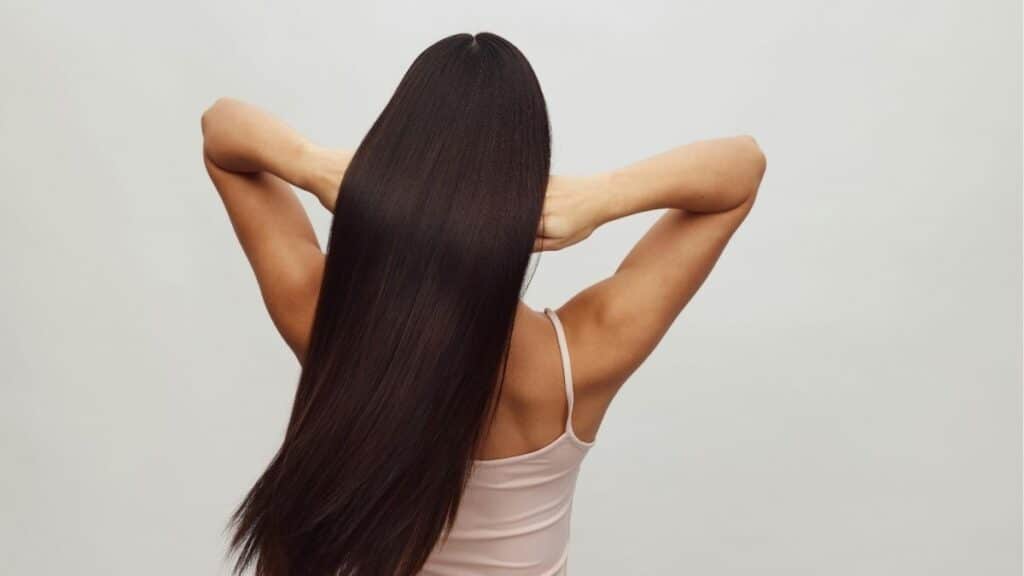
Glass hair—that mirror-like, reflective finish—represents the pinnacle of this polished movement. It’s not about making hair look plastic or stiff, but about showcasing healthy, well-conditioned strands with maximum light reflection. This look requires good hair health as a foundation, which means the trend actually encourages better hair care practices rather than damaging styling techniques.
Achieving glass hair works particularly well on naturally straight or slightly wavy Indian hair types. With the right smoothing products and blow-drying technique, you can create this look at home between salon visits, making it practical for everyday wear rather than just special occasions.
The Side Part Makes Its Comeback
Why the Side Part Works for Everyone
After years of center-part dominance, the side part is reclaiming its rightful place as the universally flattering hair parting. It adds instant lift at the crown, softens facial features, highlights cheekbones, and creates asymmetrical interest that photographs beautifully. For rounder faces common among Indian women, a side part creates the illusion of length and structure.
The side part works across all hair types and cuts—from pixies to long layers—making it an easy update that requires zero commitment. You can experiment with placement (shallow side part versus deep side part) to find what best suits your face shape, and switch back to a center part when the mood strikes.
Styling Tips for the Perfect Side Part
Creating a polished side part requires working with wet hair, using a fine-tooth comb to create a clean line, and blow-drying in the direction you want the hair to fall. For Indian hair that tends toward thickness, a small amount of smoothing serum helps create that crisp part line without looking greasy. The key is intentionality—this isn’t about casually pushing hair to one side, but about creating a deliberate, elegant line.
Trending Cuts: From Bobs to Butterfly Layers
Soft Bobs: The Versatile Essential
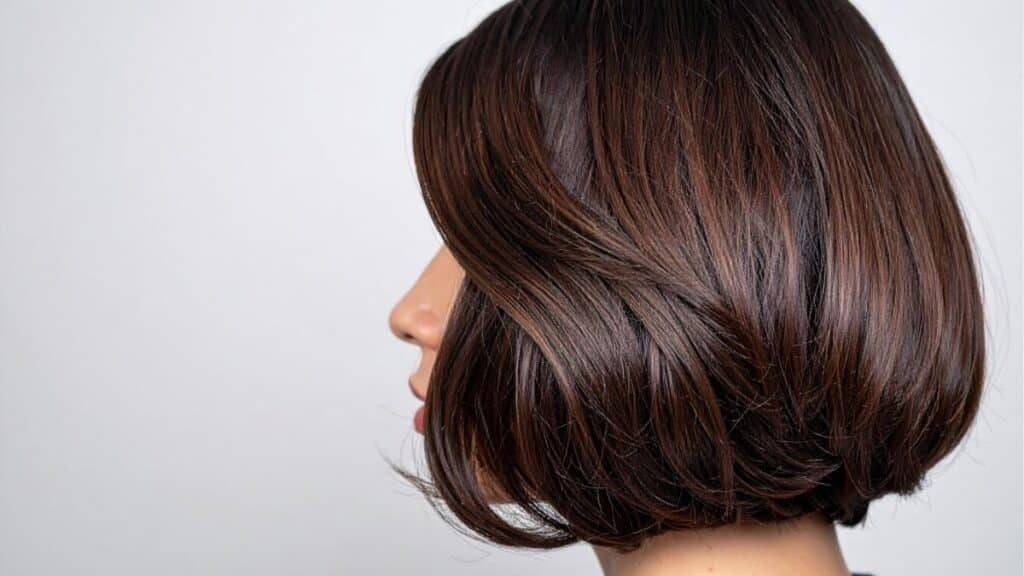
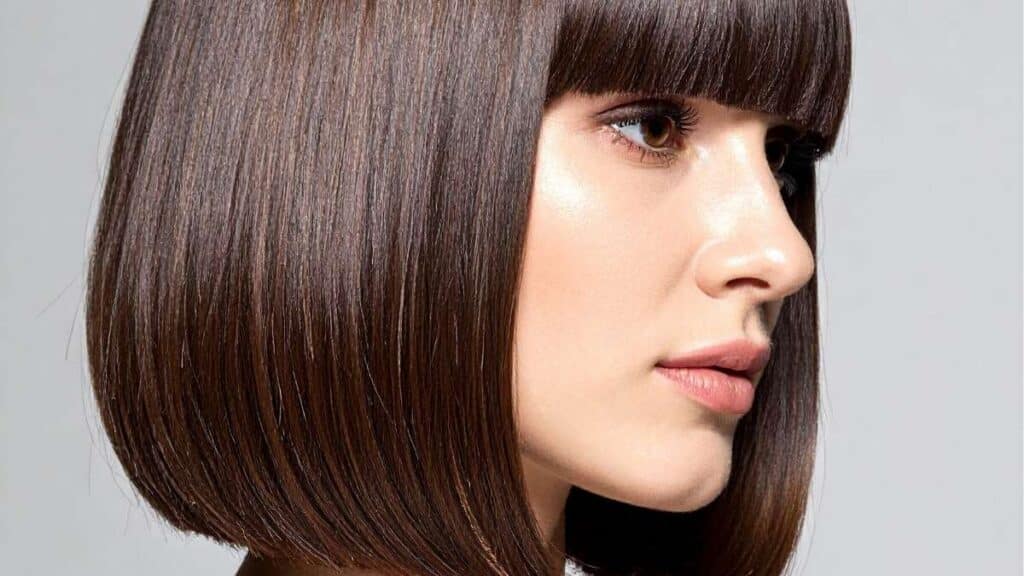
Bobs are having their moment—but these aren’t the blunt, severe bobs of previous eras. 2026 bobs feature soft edges, subtle layers, and movement that prevents them from looking helmet-like. Variations range from asymmetrical (longer in front, shorter in back) to classic chin-length, all emphasizing glossy, clean shapes that showcase healthy hair.
For Indian women managing thick hair, a well-cut bob can actually reduce styling time while looking more polished. The weight removal from strategic layering prevents the bottom-heavy look that sometimes happens with one-length cuts on thick hair. A bob also transitions seamlessly between straight and wavy styling, offering versatility for different occasions.
Maintenance becomes manageable when you’re not dealing with long hair tangles or the constant need for trims that long layers require. A bob refresh every 6-8 weeks keeps the shape looking intentional, and the shorter length means hair masks and treatments penetrate more effectively, keeping hair healthier overall.
Feathered Shags: Soft Movement Without the Mess
The shag has evolved from its choppy, heavily textured origins into something gentler and more wearable. Feathered shags feature softer ends, subtle layering, and easy movement that works with natural waves rather than requiring extensive styling. This cut suits Indian hair beautifully because it reduces bulk without creating the frizz that sometimes comes with over-texturizing thick hair.
The feathered shag particularly appeals to those with natural wave patterns who want to enhance what’s already there. The layers encourage waves to form naturally, creating dimension without requiring curling irons or extensive product. Air-drying becomes viable, which matters when you’re dealing with early morning routines or don’t want heat damage.
Butterfly Cut: Volume Where You Want It
The butterfly cut creates shape through longer layers concentrated around the face, with shorter layers on top that add volume and movement. This technique suits Indian hair types prone to flatness at the crown, creating lift without requiring daily blow-drying or teasing. The face-framing pieces highlight features while the overall length remains, offering the best of both worlds.
This cut works particularly well for those transitioning between longer and shorter styles, or for anyone wanting more shape without committing to a dramatic length change. The layers blend naturally, meaning growth-out phases look intentional rather than neglected.
Long Layers: Blended and Face-Framing
For those committed to length, blended long layers with face-framing pieces add shape and movement without sacrificing inches. These layers prevent hair from looking flat or triangular, common challenges with thick, long Indian hair. The blending is key—layers that transition smoothly rather than creating obvious step-like divisions.
Face-framing layers draw attention to features and create dimension in photos, addressing the common concern that long, one-length hair can look heavy or dated in pictures. These layers also give you styling options—you can curl just the face-framing pieces for special events while leaving the rest straight, creating interest without full-head styling.
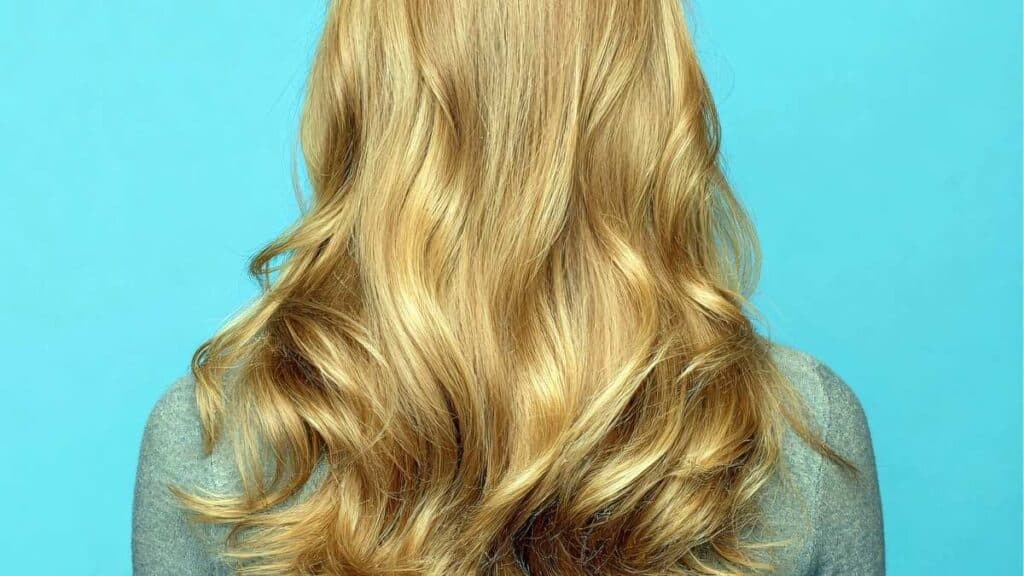
Pixie Cuts: Timeless Low-Maintenance Style
Short pixie cuts remain timelessly chic for those comfortable with minimal length. Modern variations feature longer, textured pieces on top rather than ultra-short all over, offering more styling versatility. Pixies suit confident personalities and work well in professional settings where polished appearance matters but time for hair styling is limited.
For Indian women with fine to medium hair density, pixies can actually make hair look fuller by removing weight and allowing natural volume to show. The maintenance schedule is different rather than less—you’ll need more frequent trims to maintain shape, but daily styling becomes nearly effortless.
Bangs & Fringes: Face-Framing Focal Points
Bottleneck Bangs: The Hybrid Fringe
Bottleneck bangs represent a clever compromise—shorter in the middle, longer at the edges, melting seamlessly into face-framing layers. This style softens foreheads without the high maintenance of traditional blunt bangs, and the longer edges prevent that awkward grow-out phase where bangs are too short to tuck behind ears but too long to stay out of eyes.
For Indian women with thick hair, bottleneck bangs work particularly well because the shape prevents that heavy, overwhelming look that full, straight-across bangs can create. The tapered edges feel lighter and more modern, and they’re forgiving if you miss a trim appointment.
Curtain Bangs: Still Going Strong
Curtain bangs continue their reign as the most universally flattering fringe style. Parted in the middle and sweeping to each side, they frame the face beautifully while remaining easy to style. Curtain bangs work with the side part trend—just shift the part slightly and let the bangs follow naturally.
The beauty of curtain bangs is their flexibility. Too long? They blend into layers. Want them gone? Growing them out looks intentional rather than neglected. They suit most face shapes, work with various hair textures, and require minimal daily styling beyond a quick blow-dry or air-dry.
Birkin Bangs & Emo Fringe: Nostalgic Throwbacks
The early 2000s are calling, and surprisingly, we’re answering. Birkin bangs (those wispy, slightly piecey bangs inspired by Jane Birkin) and emo-style fringes with center parts are making nostalgic comebacks. These work best when approached with modern restraint—think inspiration rather than exact replication.
For those who lived through these trends the first time, the key is updating them for adult life. Birkin bangs look sophisticated when paired with polished styling, not bedhead. Emo fringes work when integrated into well-maintained cuts, not when they’re the only groomed part of neglected hair
What’s trending in 2026 hairstyles?
Polished, glossy finishes with healthy hair, soft bobs, feathered shags, and side parts over center parts.
Are side parts back?
Yes, side parts are making a strong comeback for their flattering, face-softening effect.
Is natural texture trending?
Yes, embracing natural waves and curls with intentional, polished styling is a major 2026 trend.
